Disorders of mitochondrial respiration rank among the most severe inherited metabolic diseases, and effective treatment is mostly unavailable. Scientists of IPHYS have uncovered a previously undescribed molecular mechanism that helps affected cells withstand the consequences of disease. A study published in EMBO Reports demonstrated that this defence programme is active in both cellular models and cells from patients with mitochondrial disease, and that it is reflected in the blood lipid composition. The abundance and composition of specific fatty acid-containing molecules in blood plasma may therefore represent a promising biomarker for mitochondrial disease.
A Cell with Impaired Respiration Must Reprogram Itself
Mitochondria convert energy through a process known as oxidative phosphorylation (OXPHOS). If any component of OXPHOS fails to function properly, or if its activity is limited by oxygen availability, the cell loses an important energy source and cellular metabolism is disrupted. This is associated with the production of toxic compounds. “Using modern analytical methods, we found that under these conditions the cell activates a defence mechanism and profoundly alters the metabolism of all nutrients, particularly lipids, including the synthesis of polyunsaturated fatty acids,” explains Alena Pecinová, the corresponding author of the study from the Laboratory of Bioenergetics at IPHYS. Polyunsaturated fatty acids (PUFAs) in cellular membranes are most susceptible to attack by free radicals. This can subsequently trigger a specific form of programmed cell death known as ferroptosis, in which the membrane quickly disintegrates. “We showed that cells with impaired respiration respond to this phenomenon through three independent mechanisms: by relocating PUFAs from membranes to lipid droplets, suppressing their synthesis, and increasing the activity of a protective enzyme that neutralises free radicals already formed in the membranes,” adds Pecinová.
The Mechanism Also Functions in Patients
The scientists identified the same defence programme not only in cells with experimentally induced OXPHOS impairment or exposed to oxygen deprivation, but also in skin cells from patients with an inherited deficiency of complex IV of oxidative phosphorylation. The study also included patients with another mitochondrial disease – MERRF syndrome (myoclonic epilepsy with ragged-red fibres). Compared with healthy volunteers, their blood plasma likewise contained elevated levels of lipids enriched in polyunsaturated fatty acids.
Significance for Medicine
The findings suggest that measuring selected polyunsaturated fatty acids in blood plasma could serve as an indicator of tissue stress in mitochondrial diseases, detectable from a routine blood sample. The authors emphasise, however, that the results need to be confirmed in larger, more genetically diverse patient cohorts. At the same time, the authors caution that some compounds currently being tested in clinical trials for the treatment of fatty liver disease may increase susceptibility to ferroptosis in patients with mitochondrial disease.
Reference: Puertas-Frías G., Saucedo-Rodríguez M. J., Čunátová K., Alán L., Hrbáč P., Knězů M., Koníčková S., Schimmer J., Krakovková M., Vrbacký M., Čajka T., Kuda O., Fernández-Vizarra E., Zeviani M., Hansíková H., Honzík T., Houštěk J., Pecina P., Mráček T., and Pecinová A. Polyunsaturated fatty acid sequestration protects against mitochondrial dysfunction-induced ferroptosis. EMBO Rep (2026). IF = 6.0; DOI: 10.1038/s44319-026-00898-y
Explanation of Terms
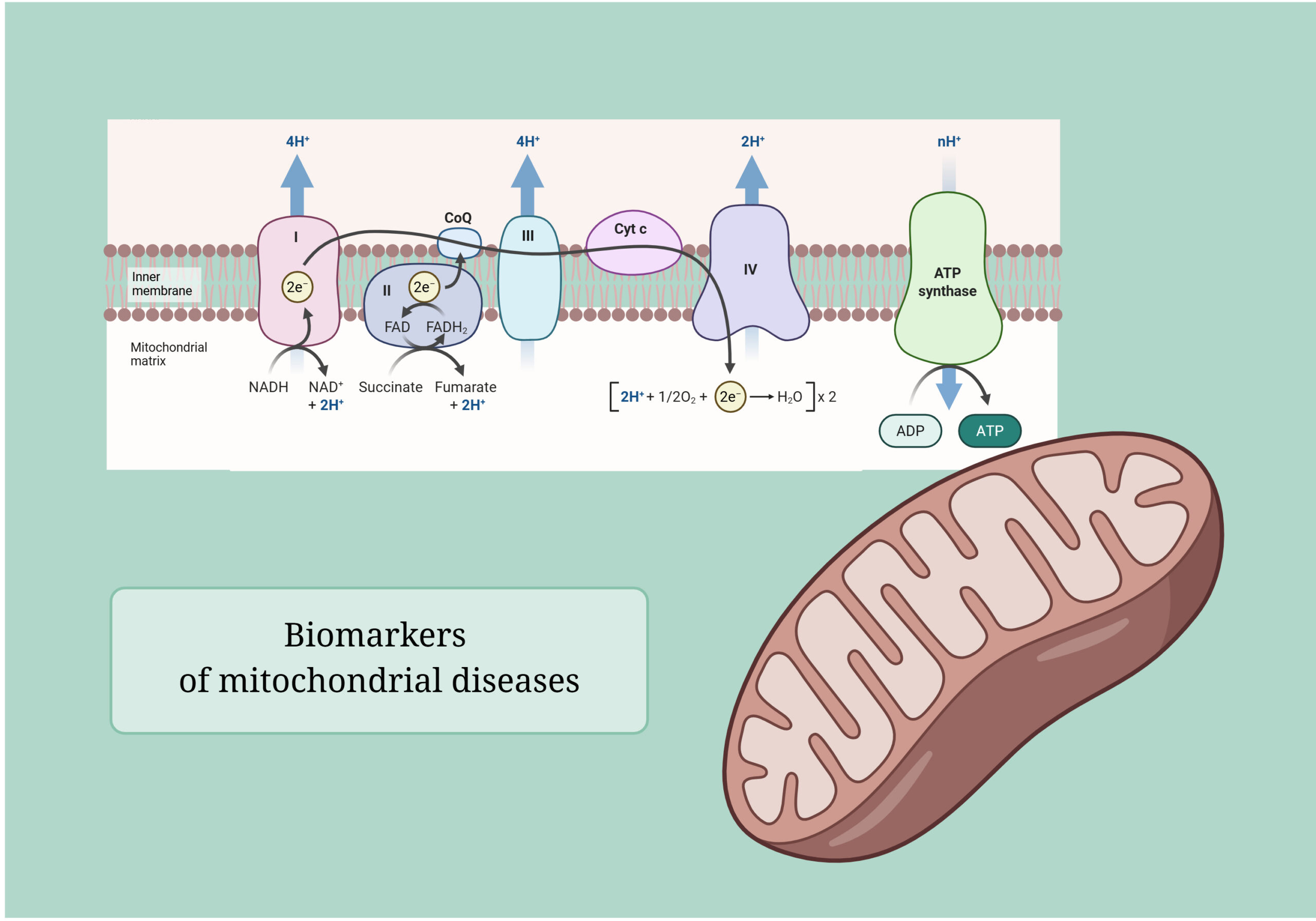
Oxidative phosphorylation (OXPHOS) – the main process by which cells gain energy. In the inner mitochondrial membrane, a series of protein complexes (I-IV, known as the respiratory system) transfers electrons from metabolic substrates to oxygen. In doing so, they create an electrochemical gradient, which is utilised by complex V (ATP synthase) to produce ATP, the cell’s universal “energy currency.” Inherited defects affecting these complexes are among the most severe congenital metabolic disorders and most often affect organs with high energy demands, particularly the brain, heart, and skeletal muscles.
Polyunsaturated fatty acids (PUFAs) – fatty acids containing several double bonds in their carbon chain, such as linoleic acid and arachidonic acid. They help keep cellular membranes flexible, but their double bonds are also chemically vulnerable to attack by free radicals. Monounsaturated fatty acids (MUFAs), such as oleic acid, contain only one double bond and are considerably more resistant.
Ferroptosis – a form of programmed cell death, first described in 2012, which differs from classical apoptosis. It is triggered by the oxidation of polyunsaturated fatty acids in cellular membranes and catalysed by free iron through the Fenton reaction. The oxidation spreads through the membrane as a chain reaction, the membrane loses its integrity, and the cell dies. Ferroptosis is now being intensively investigated in oncology as well as in neurodegenerative and ischaemic diseases.