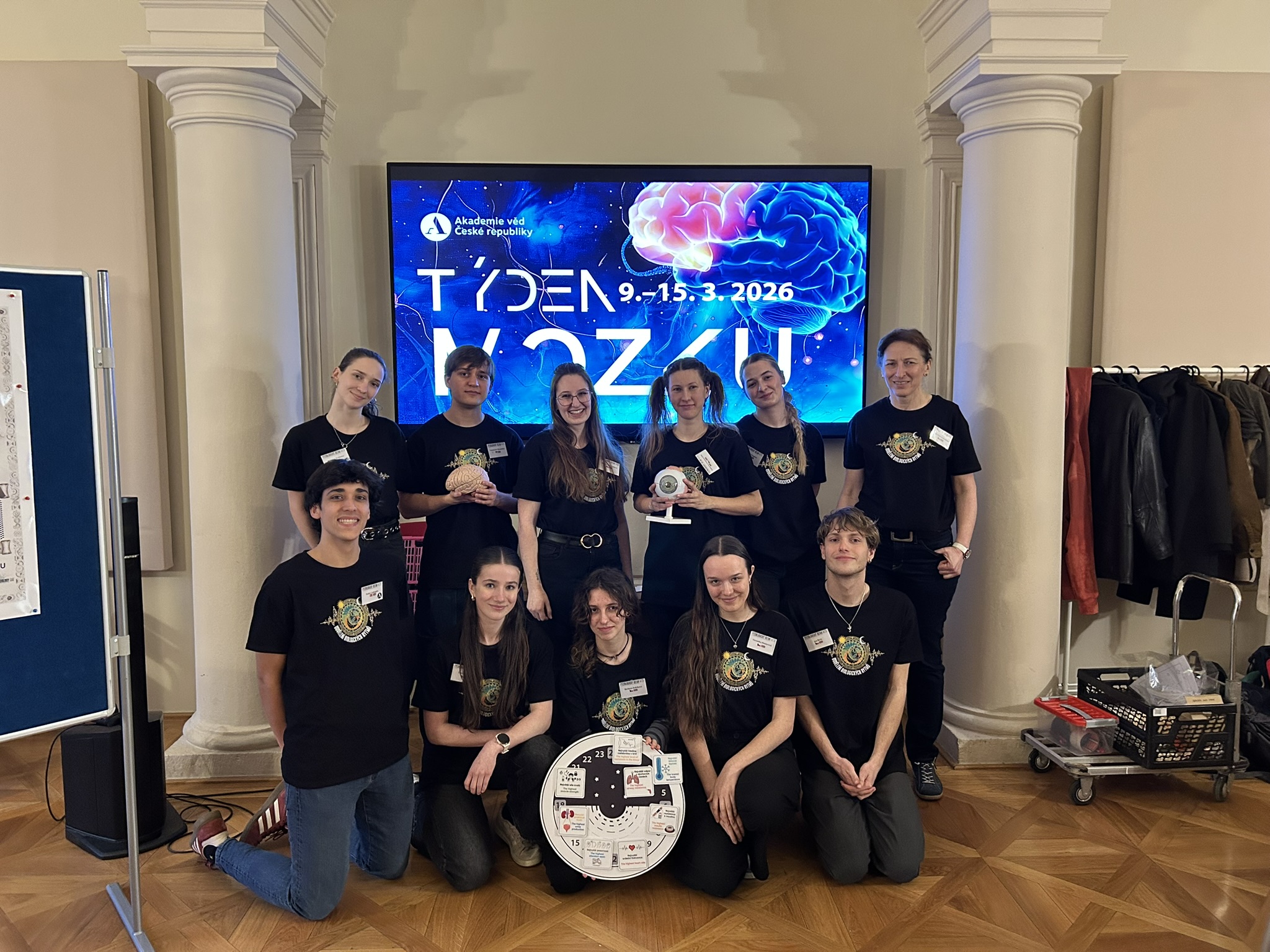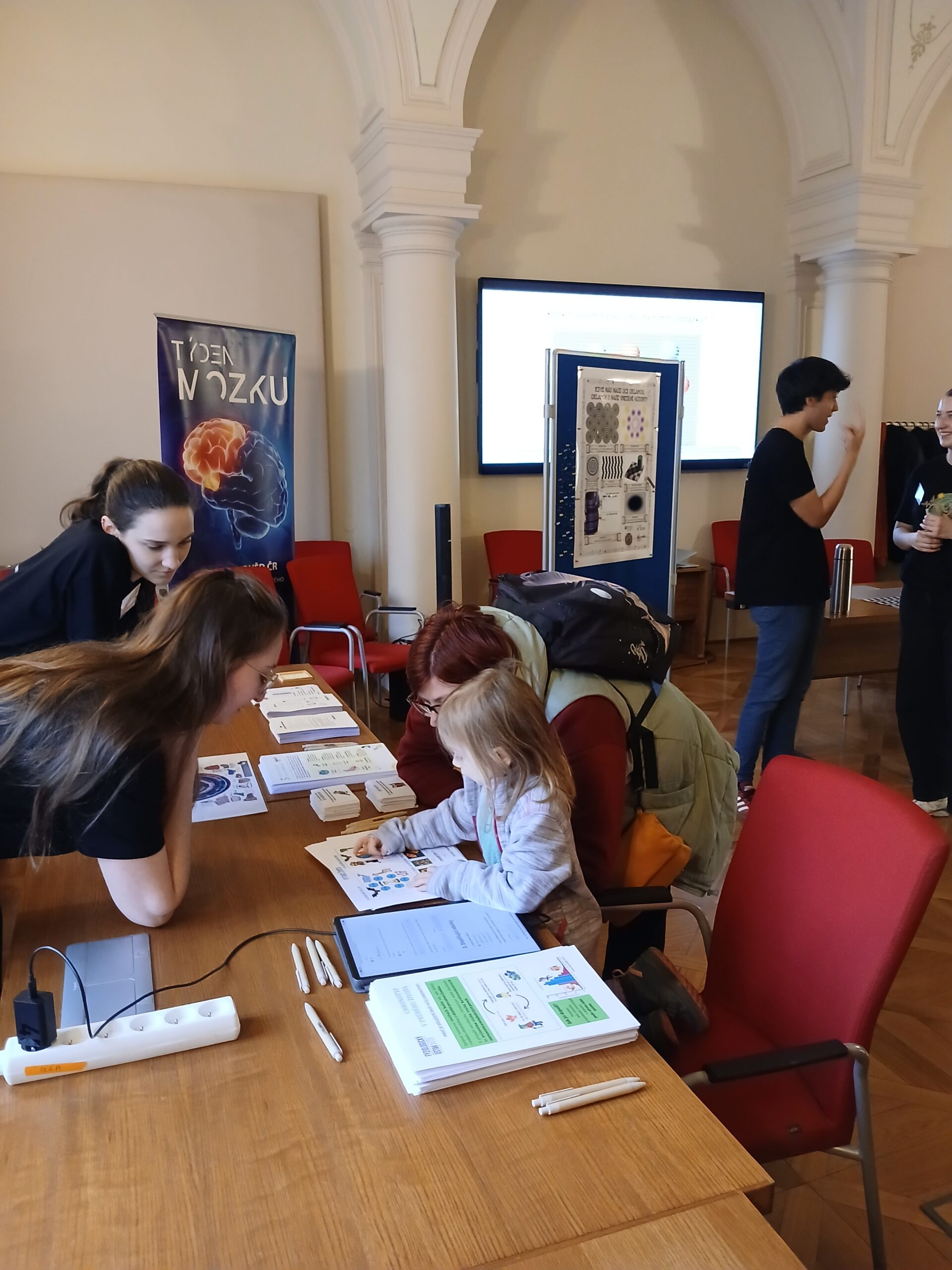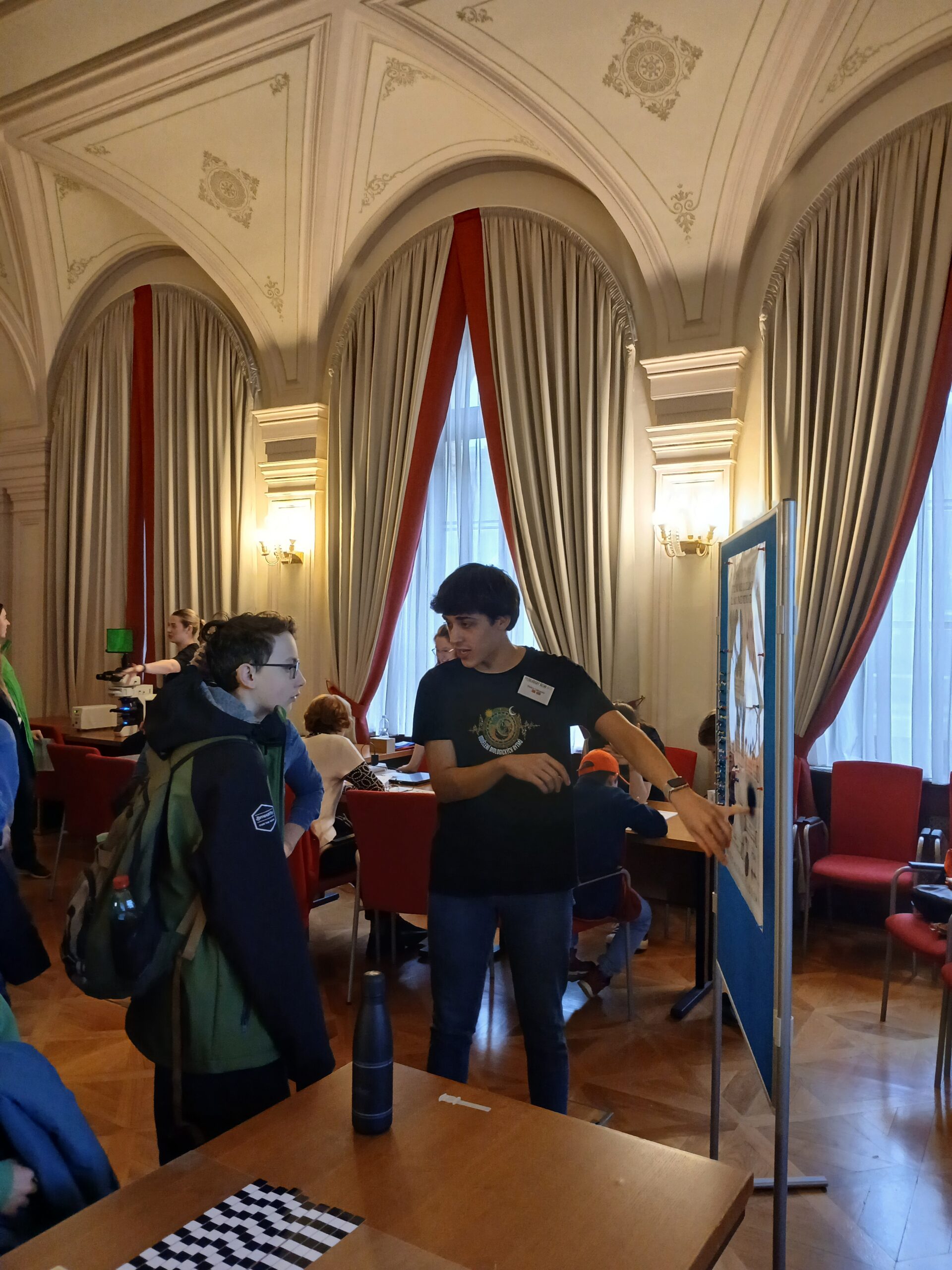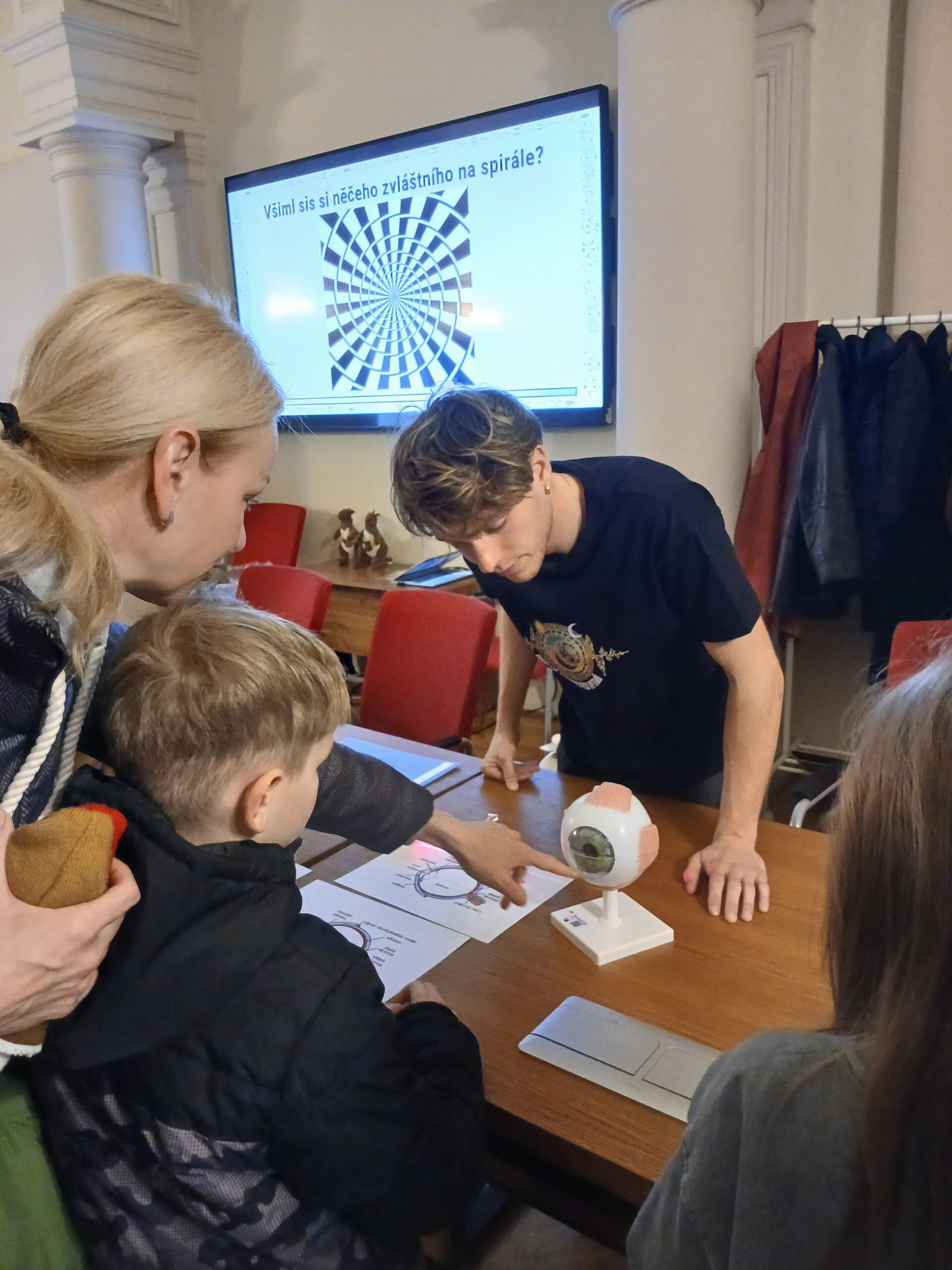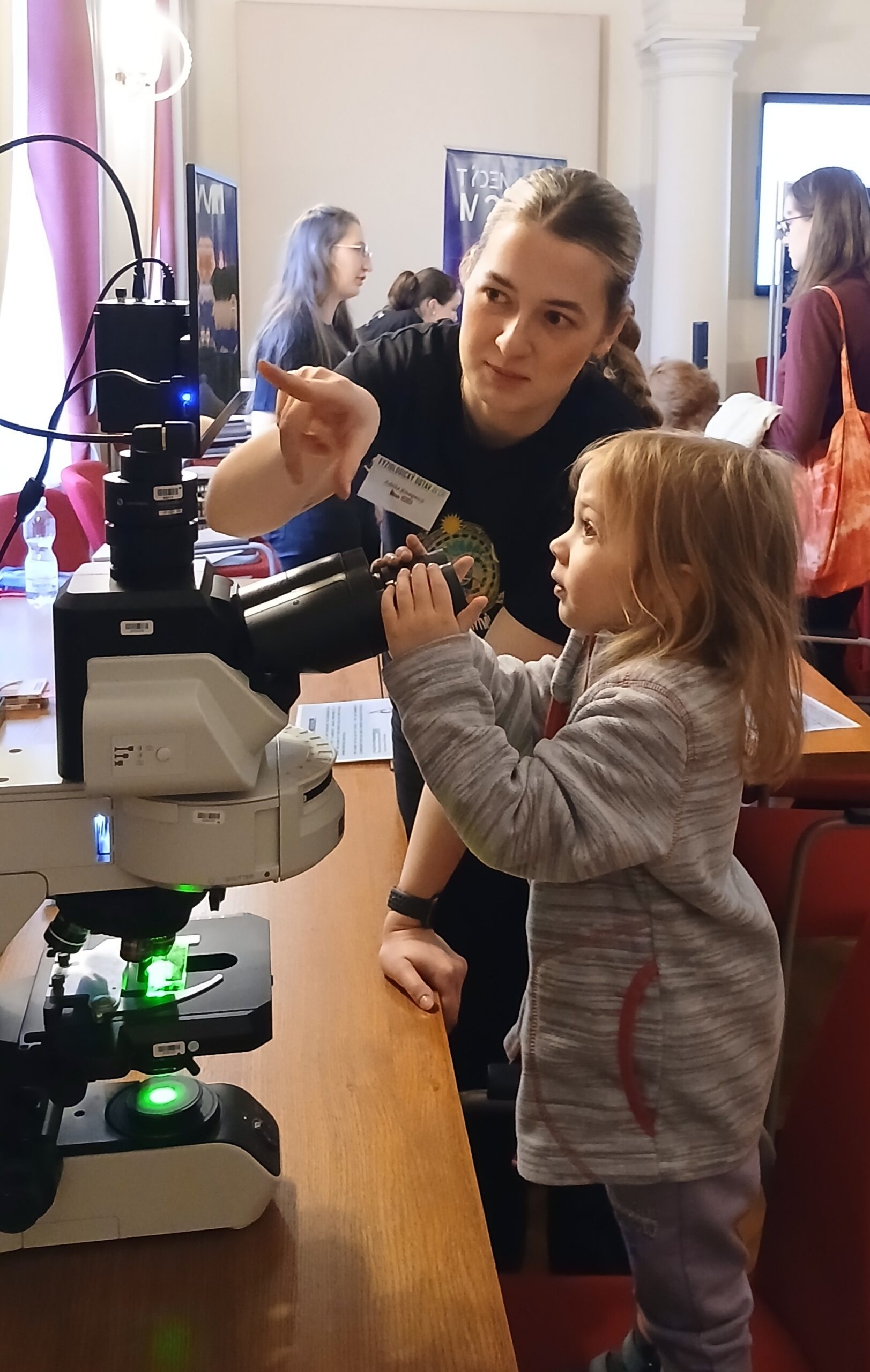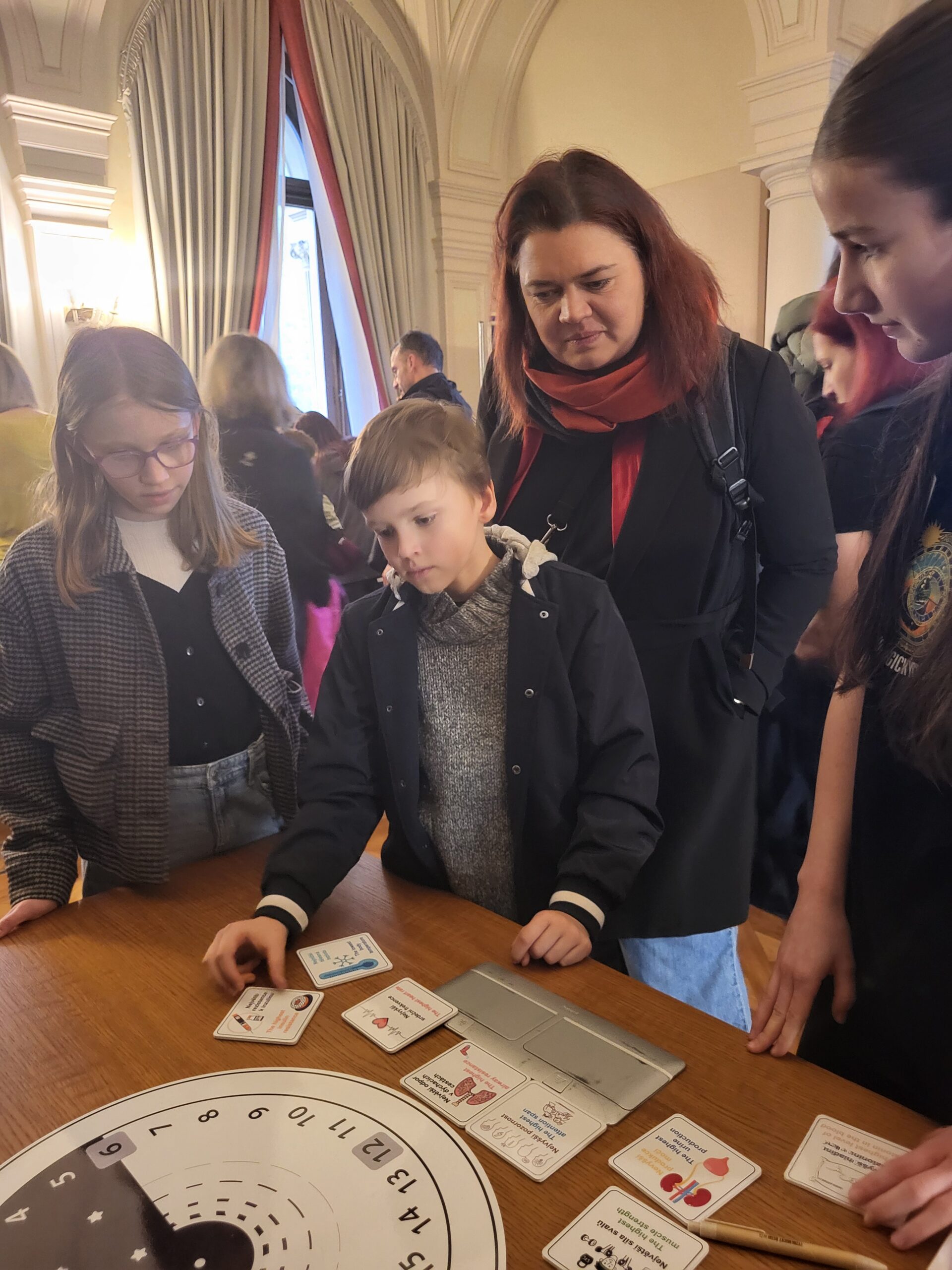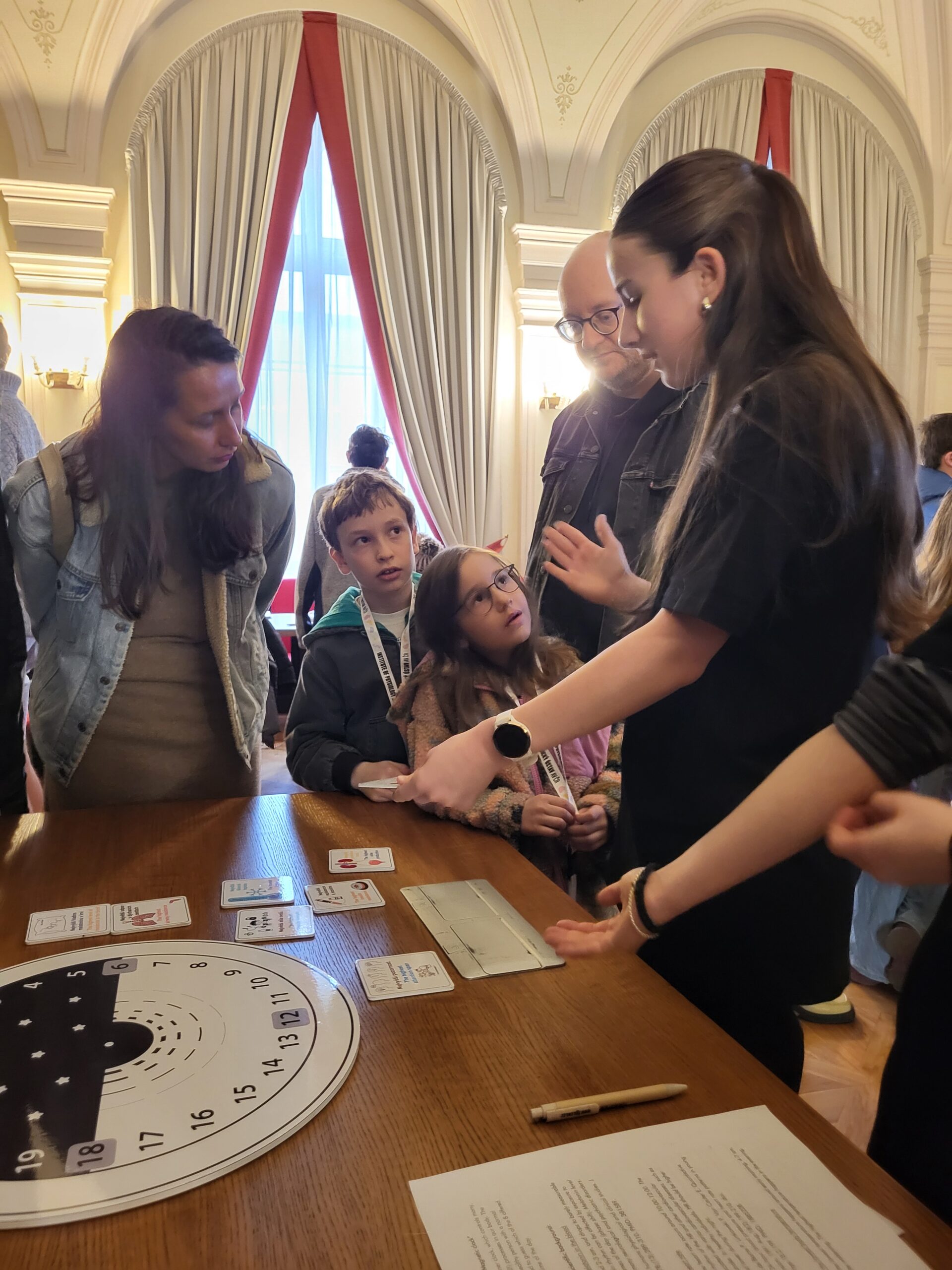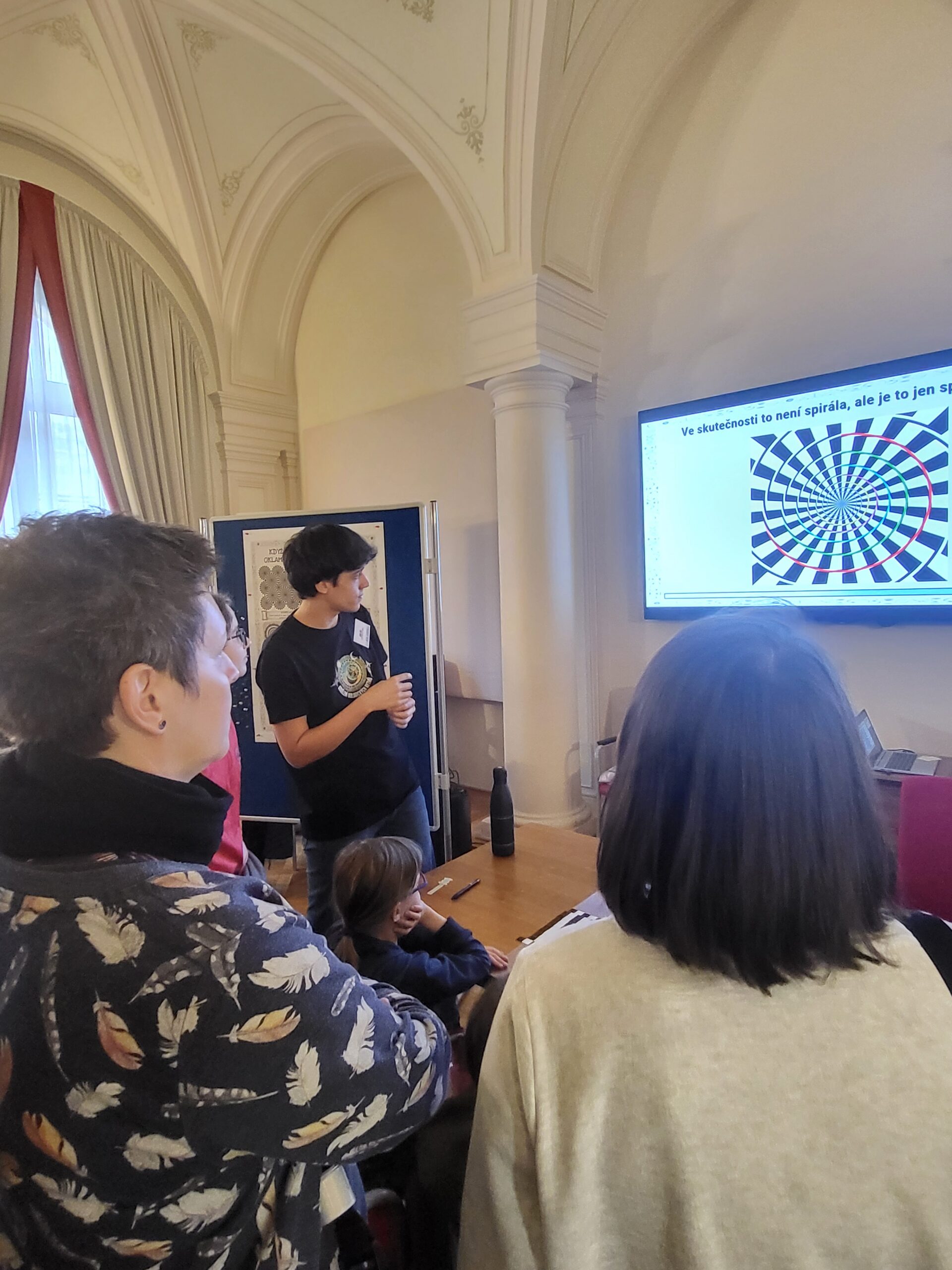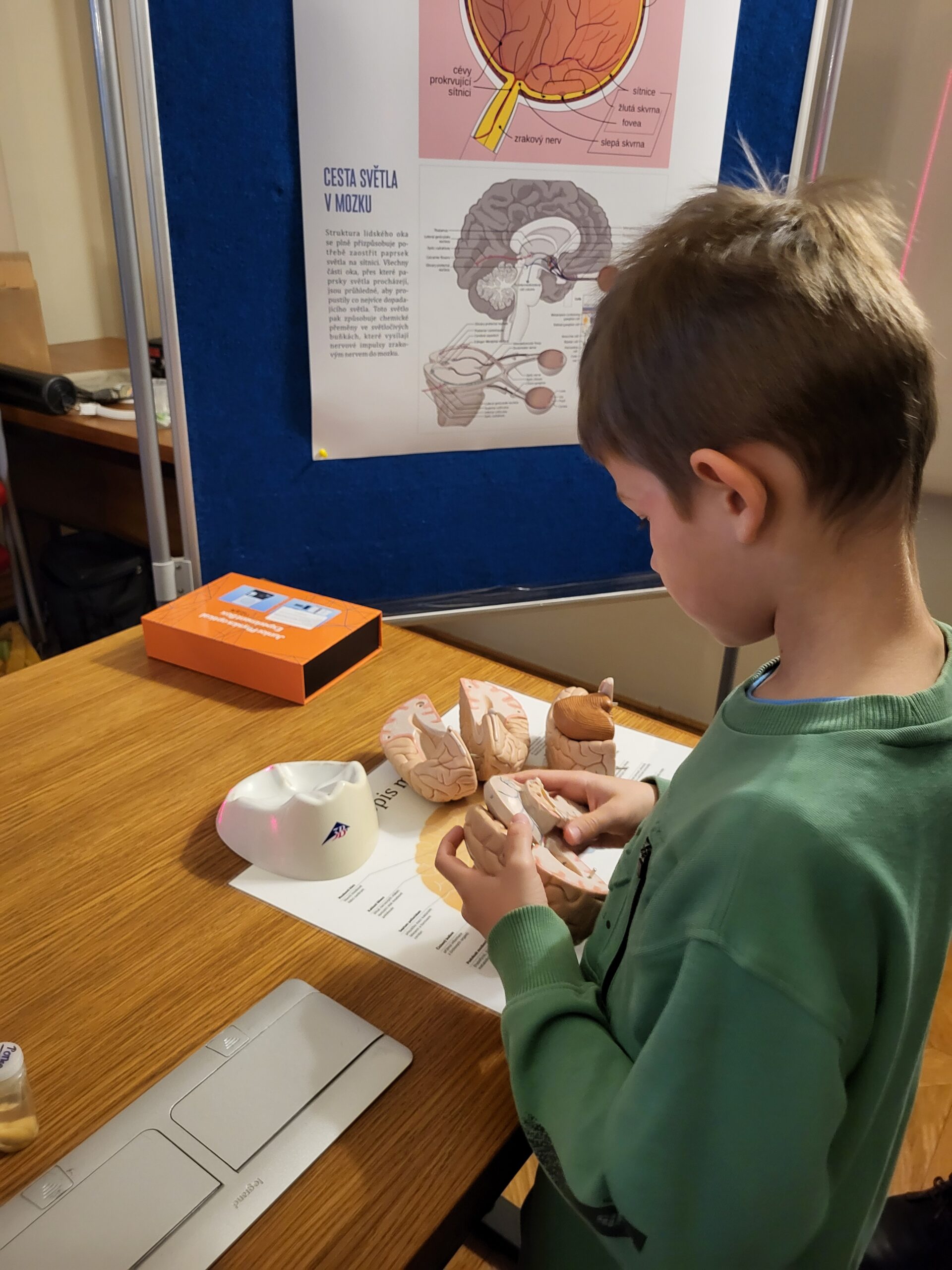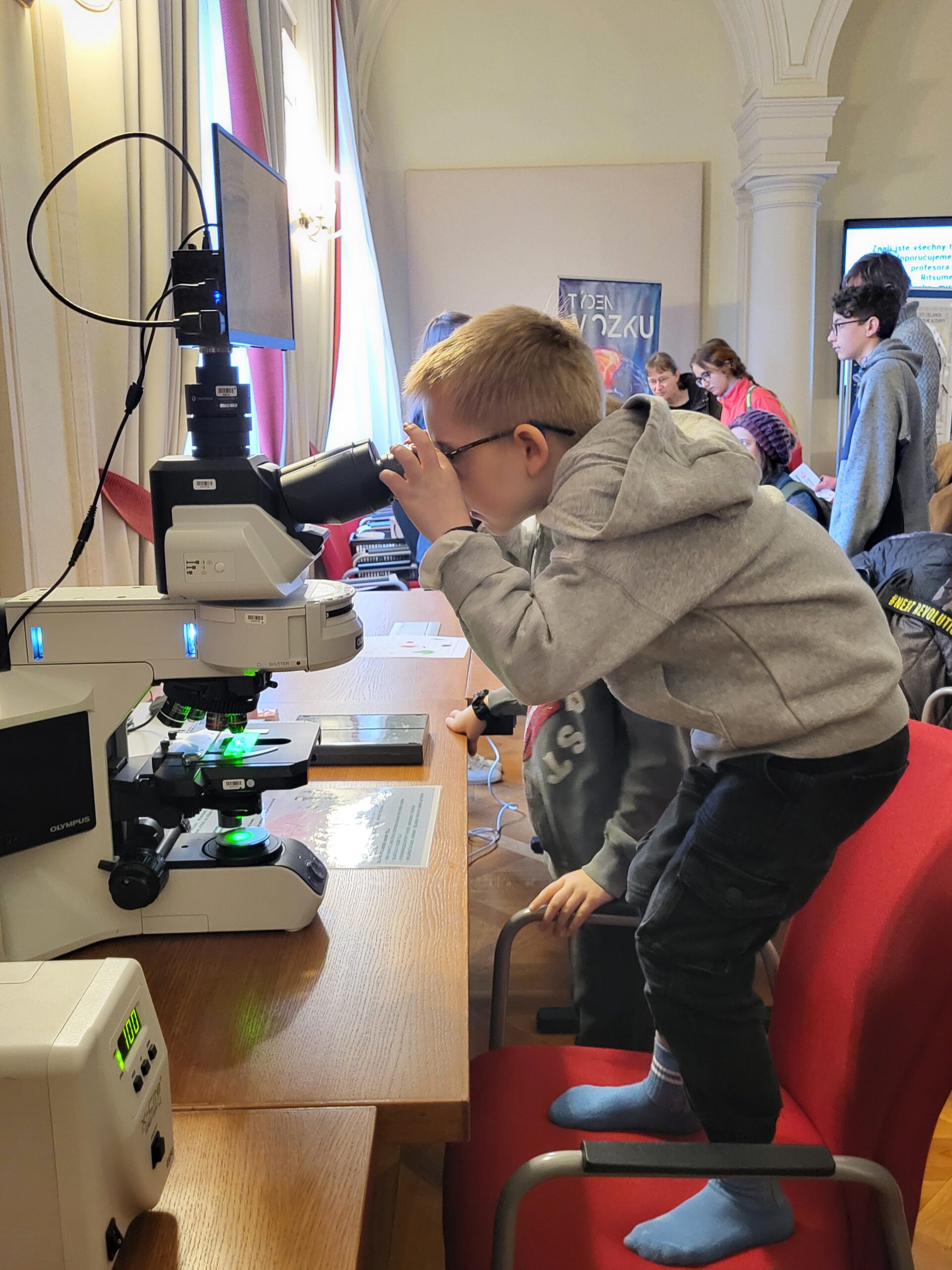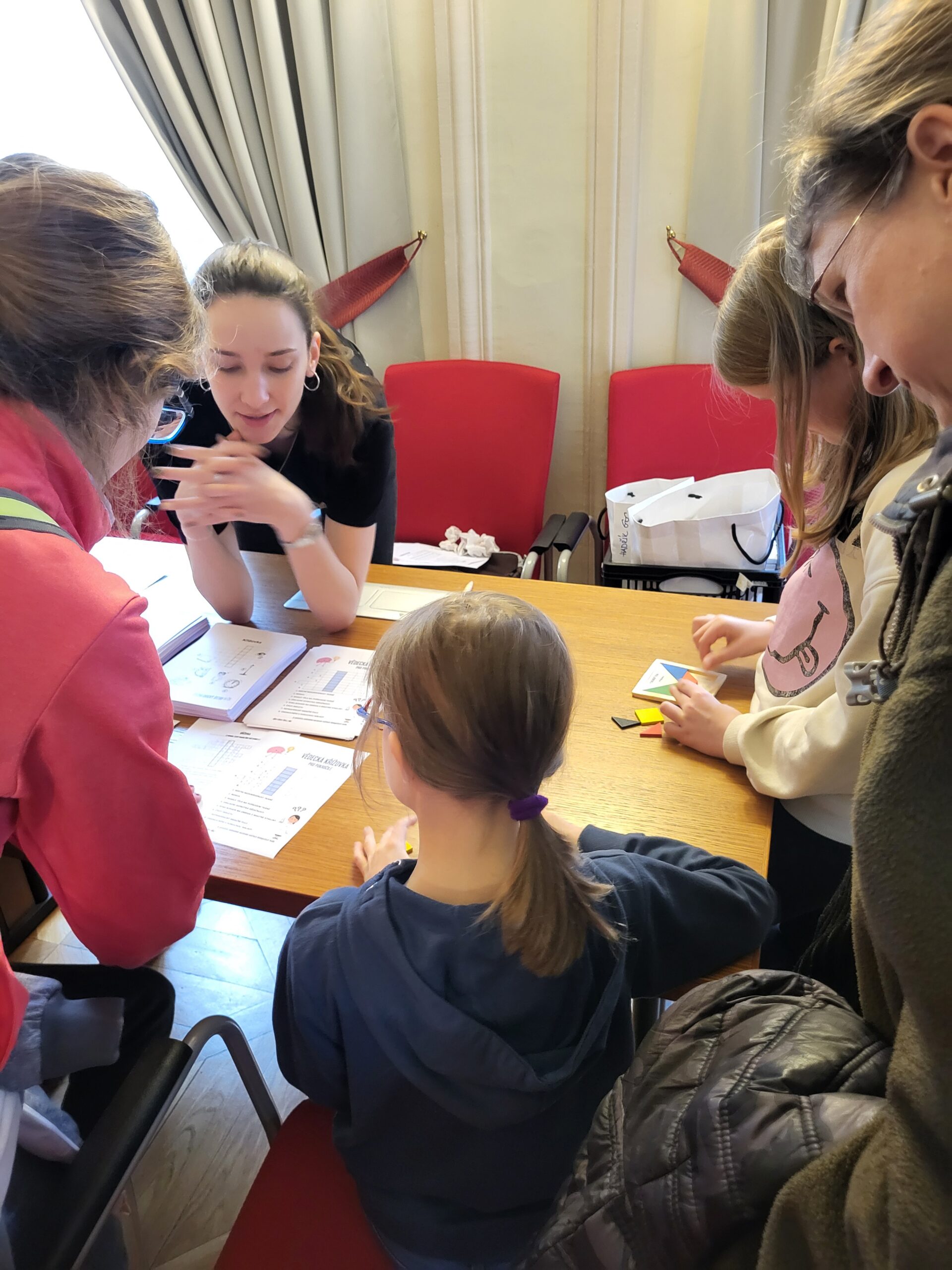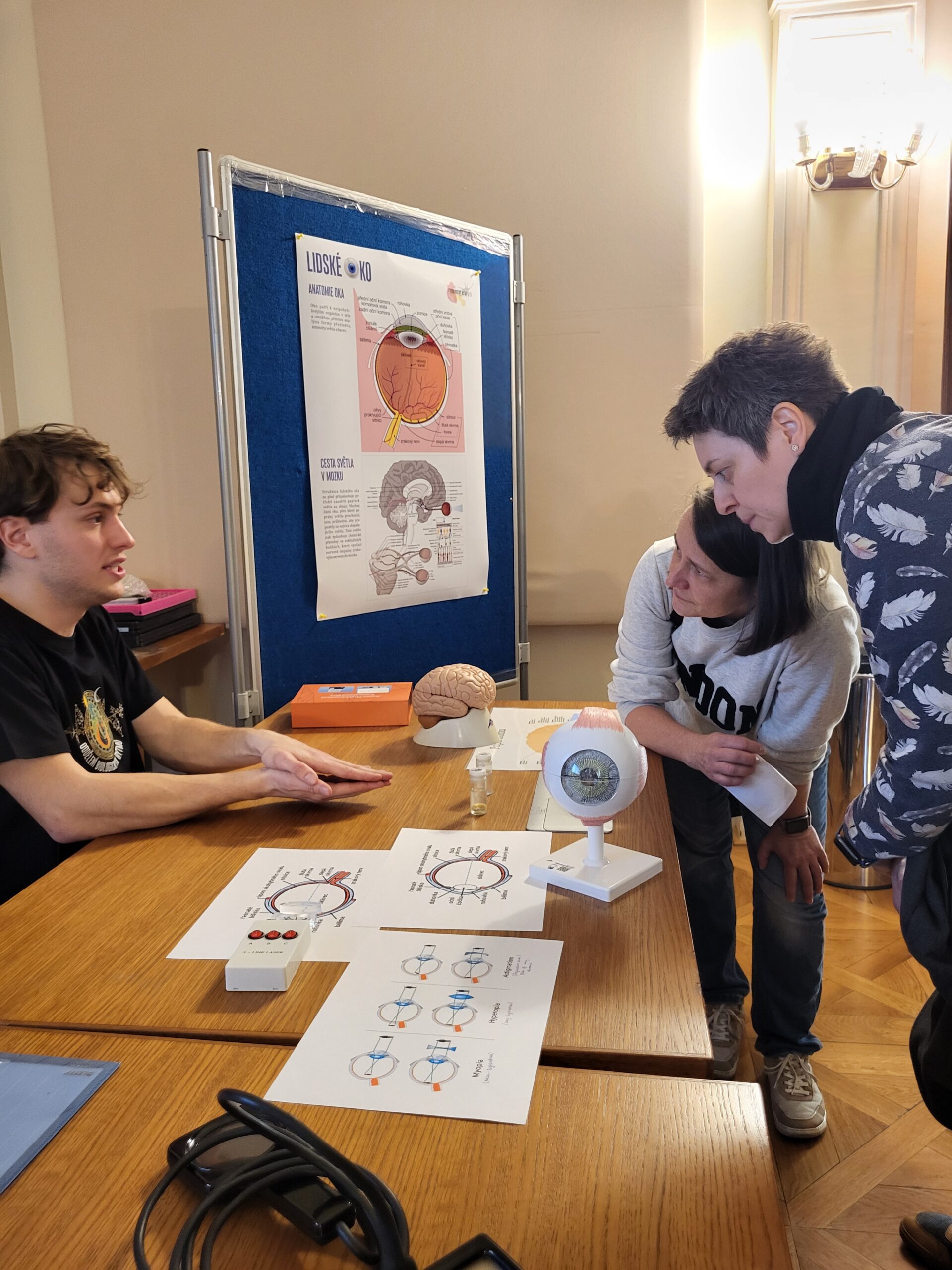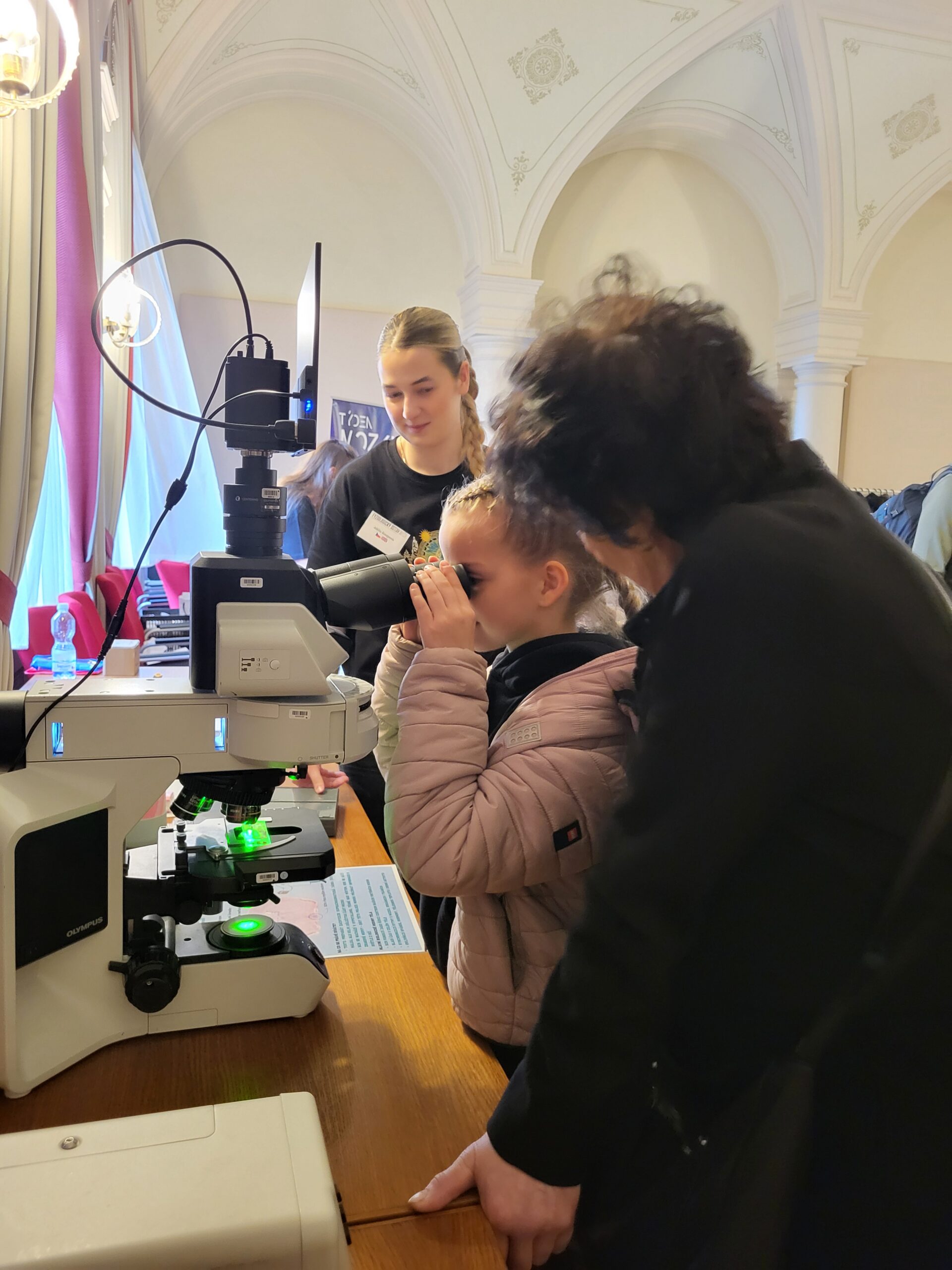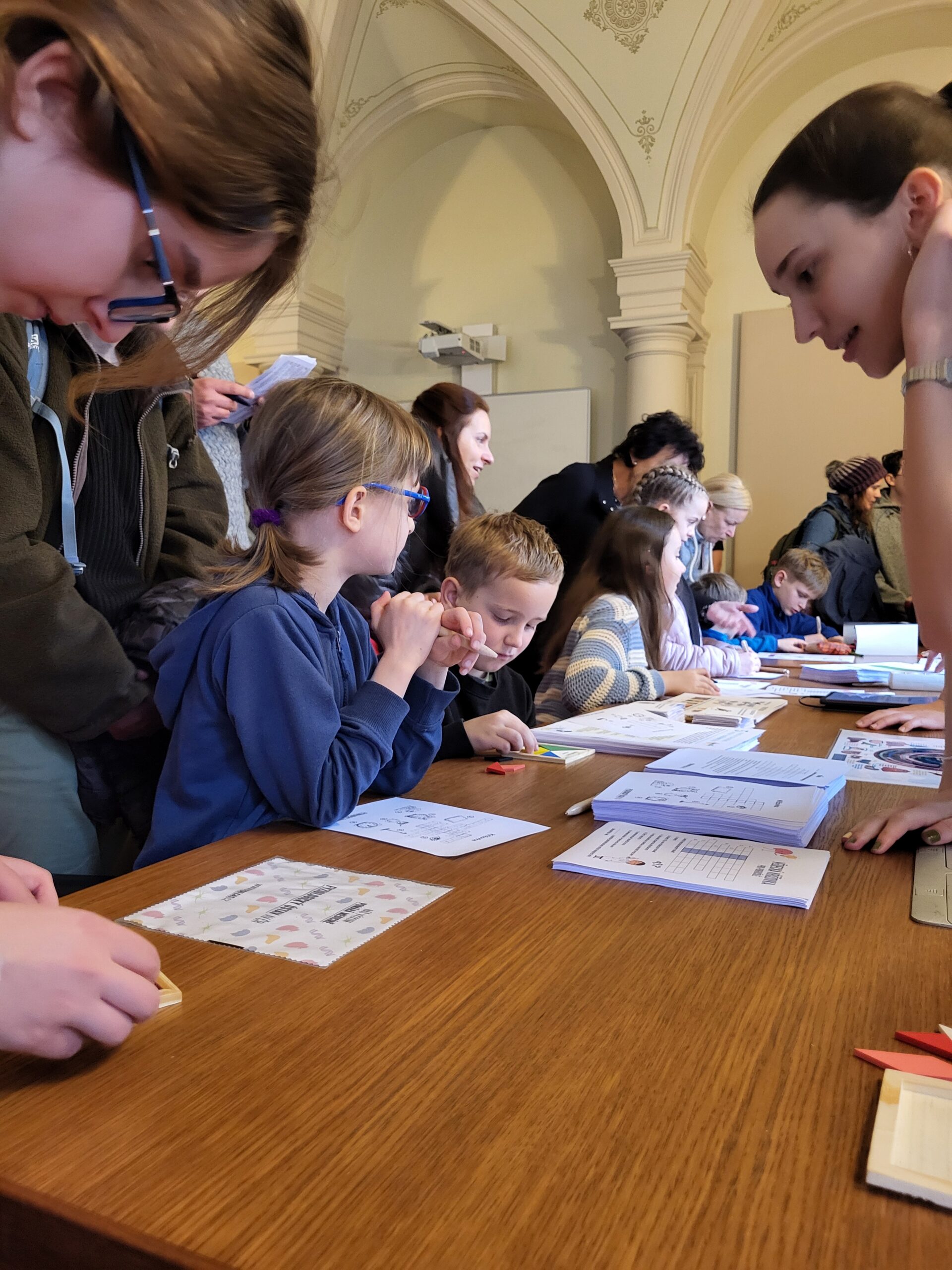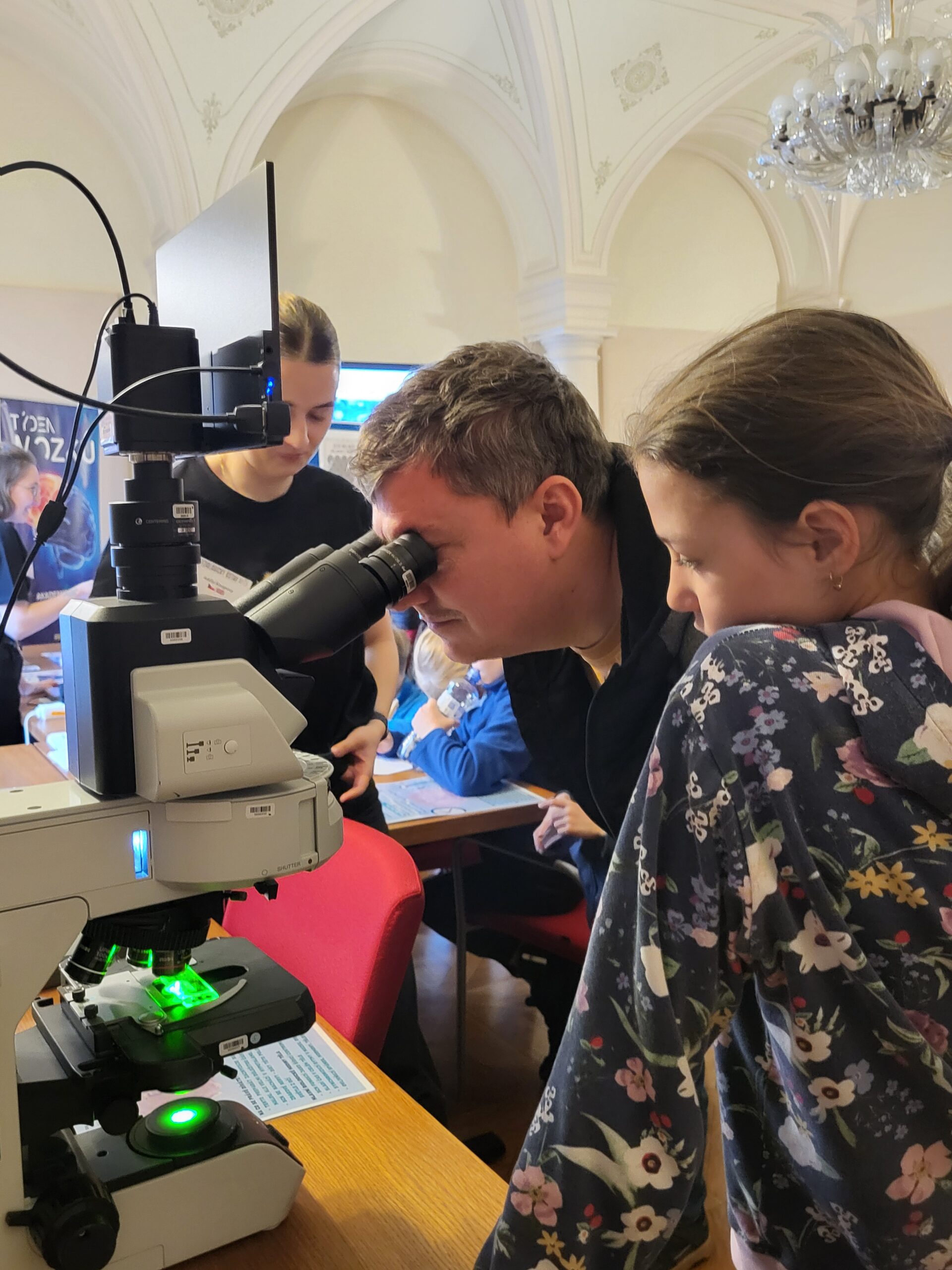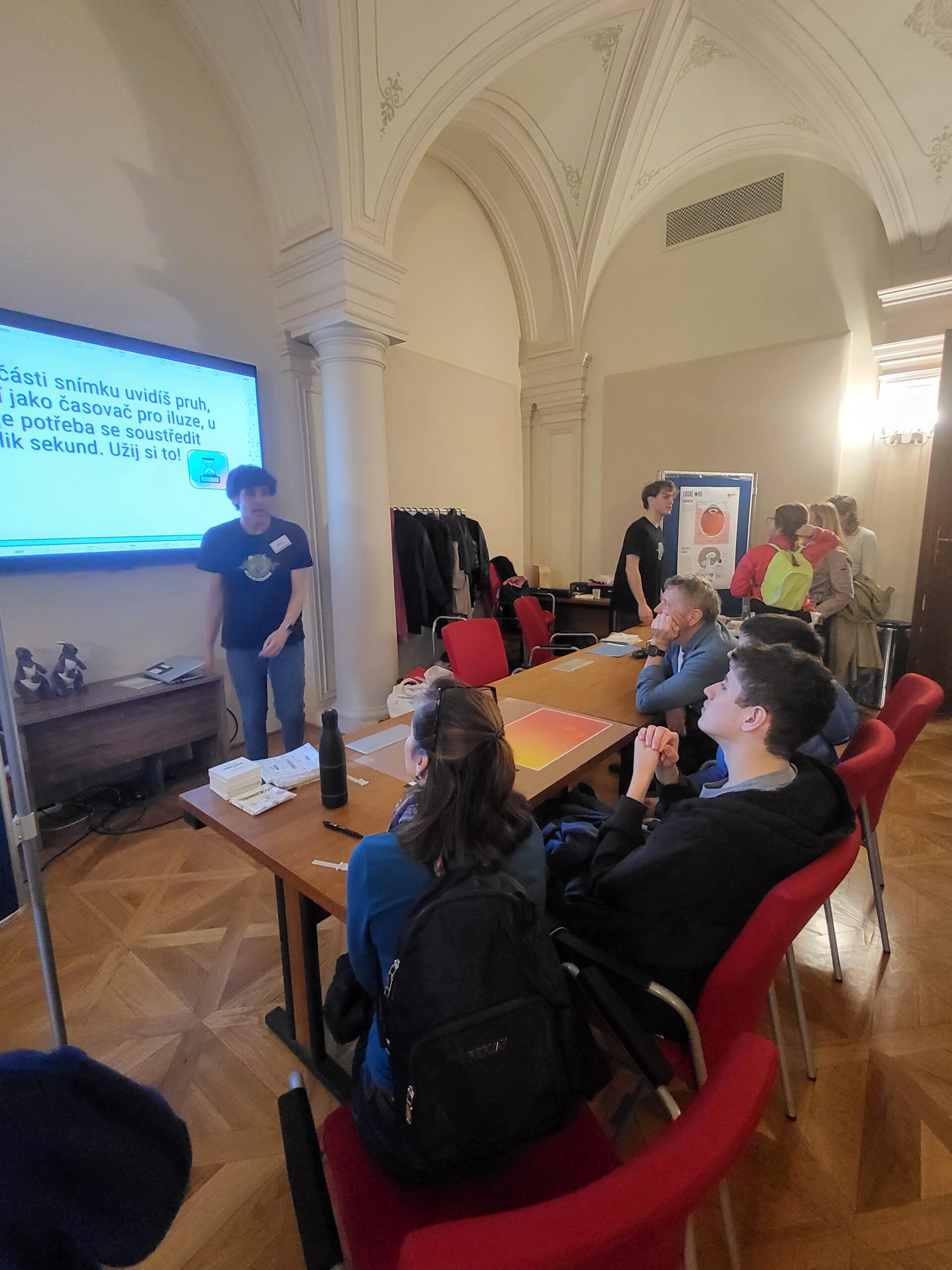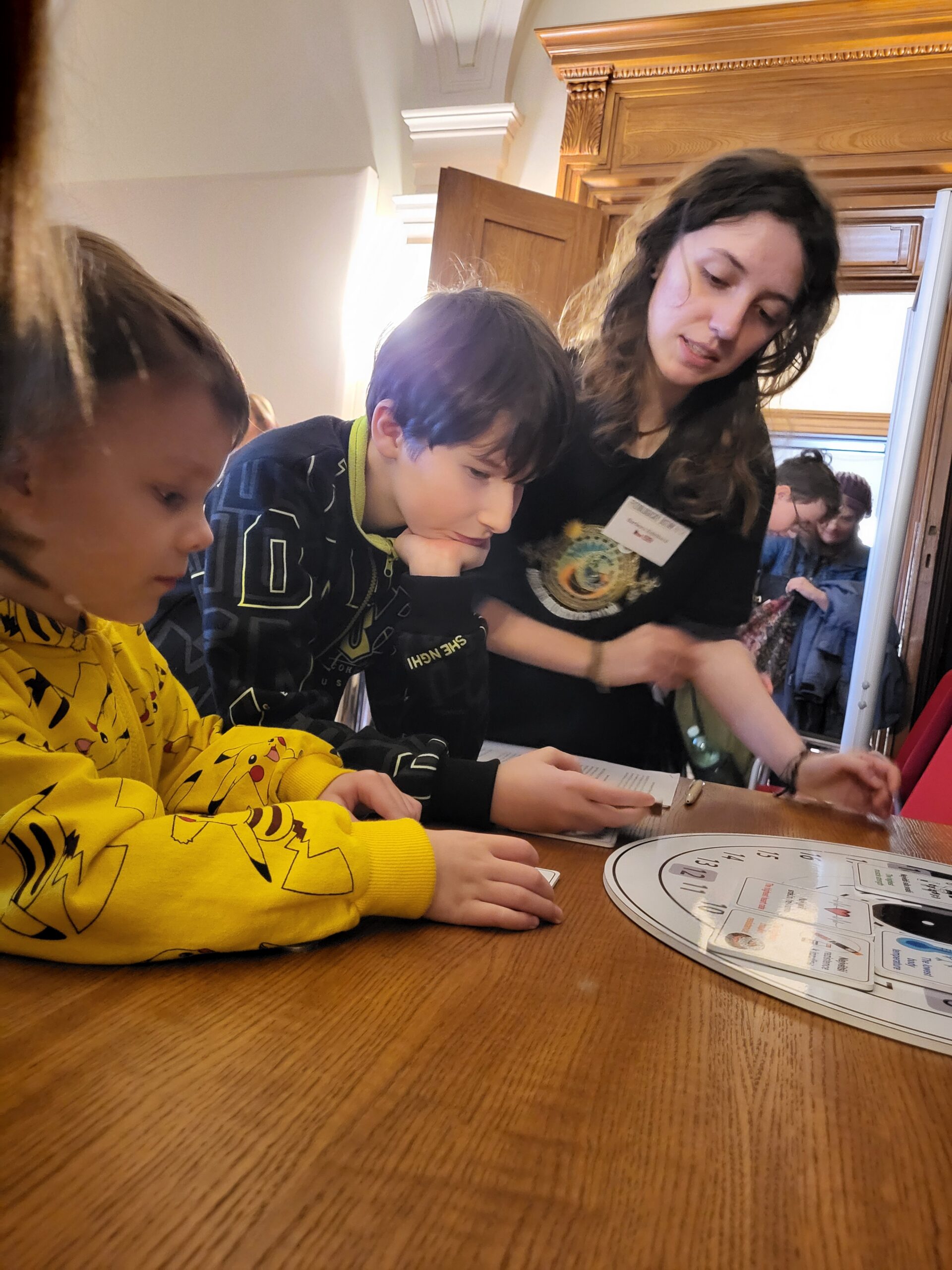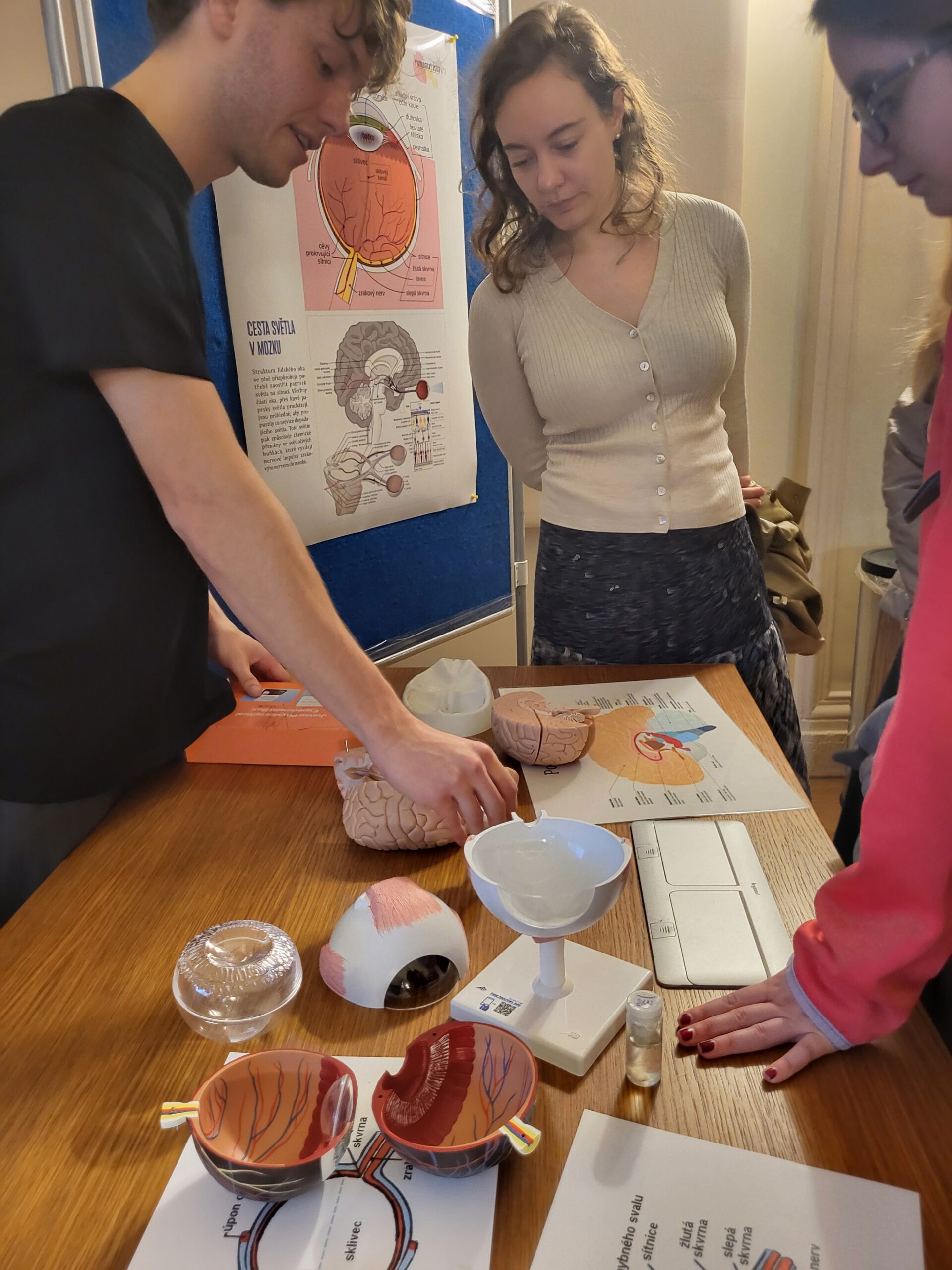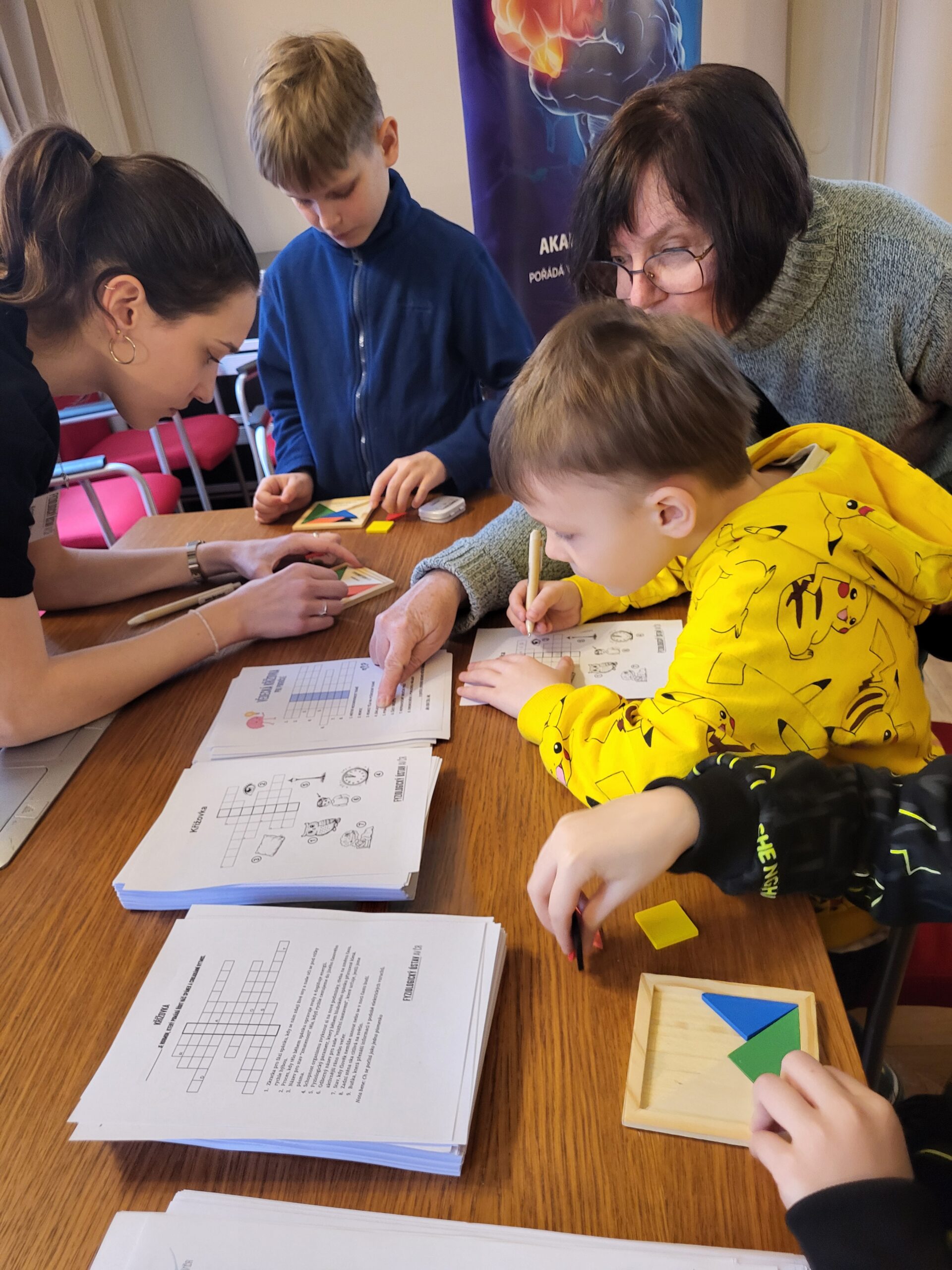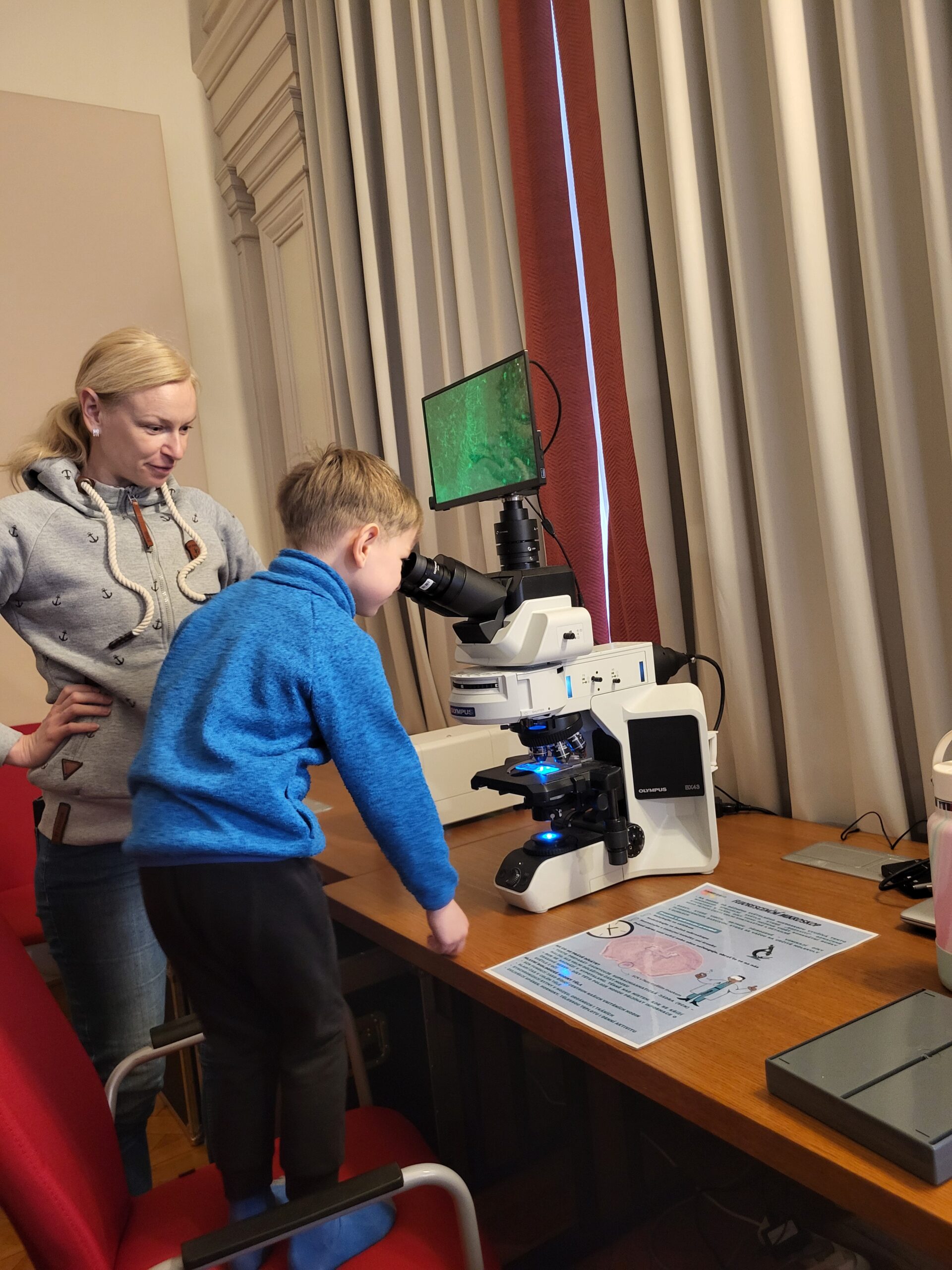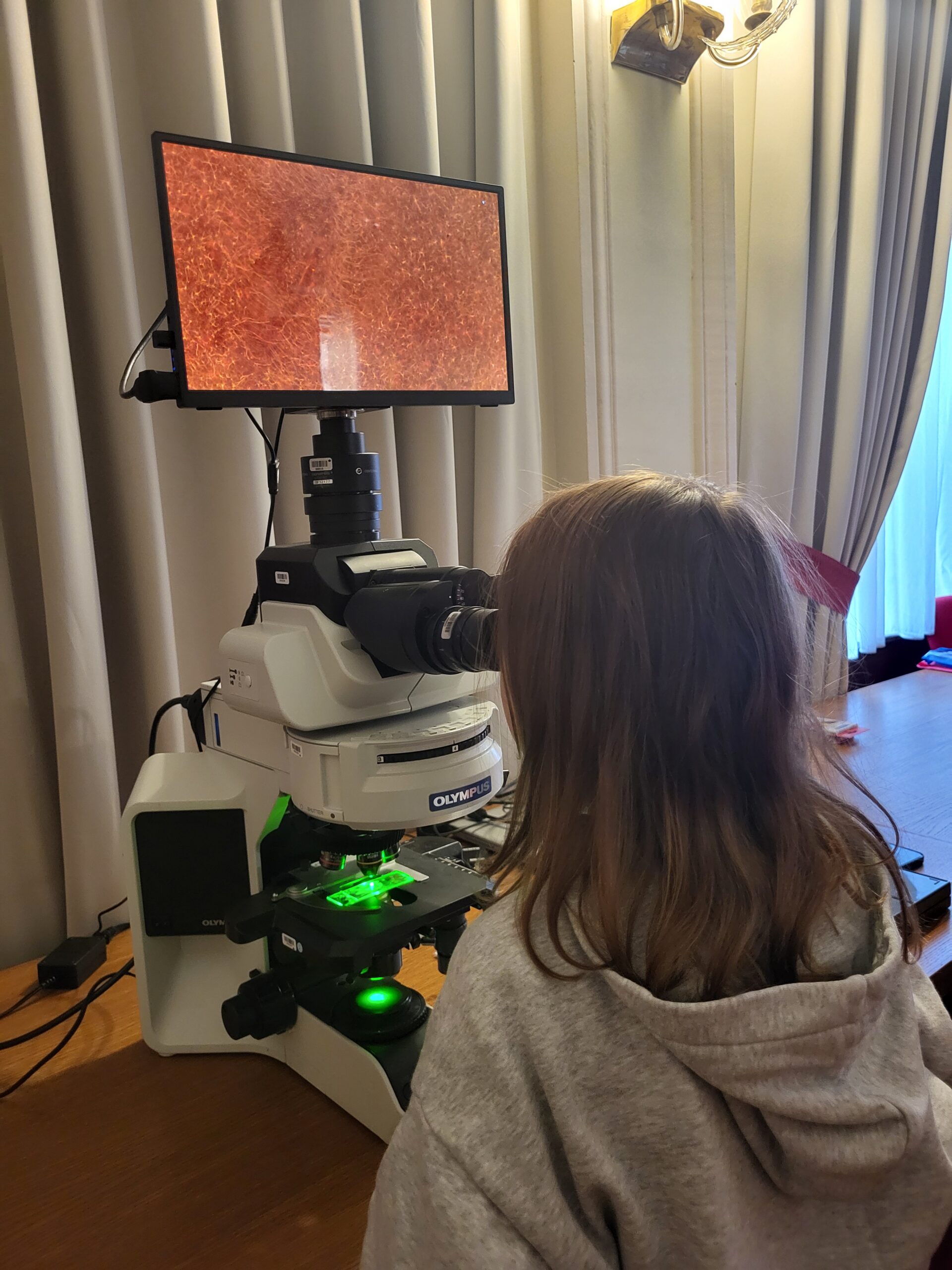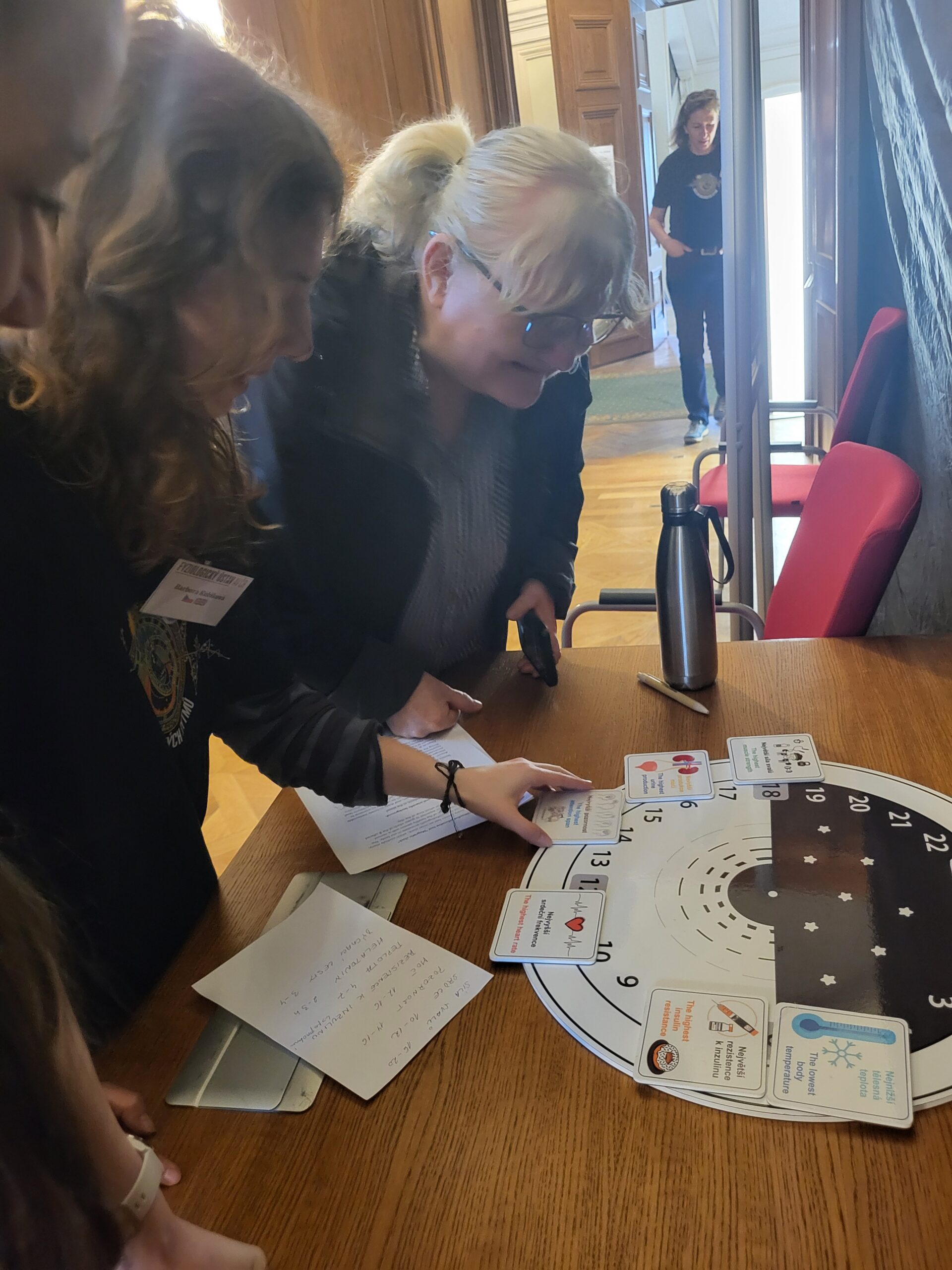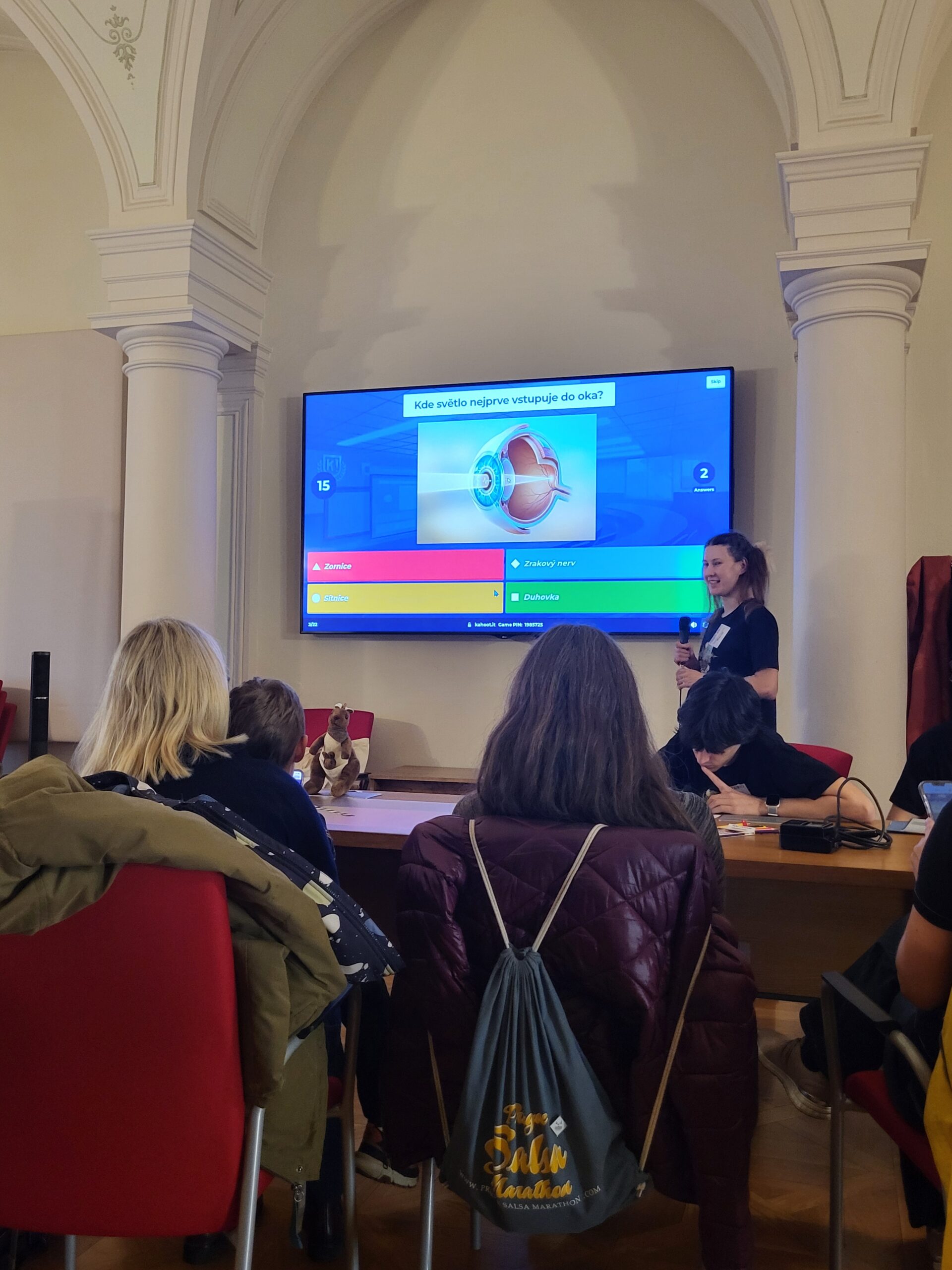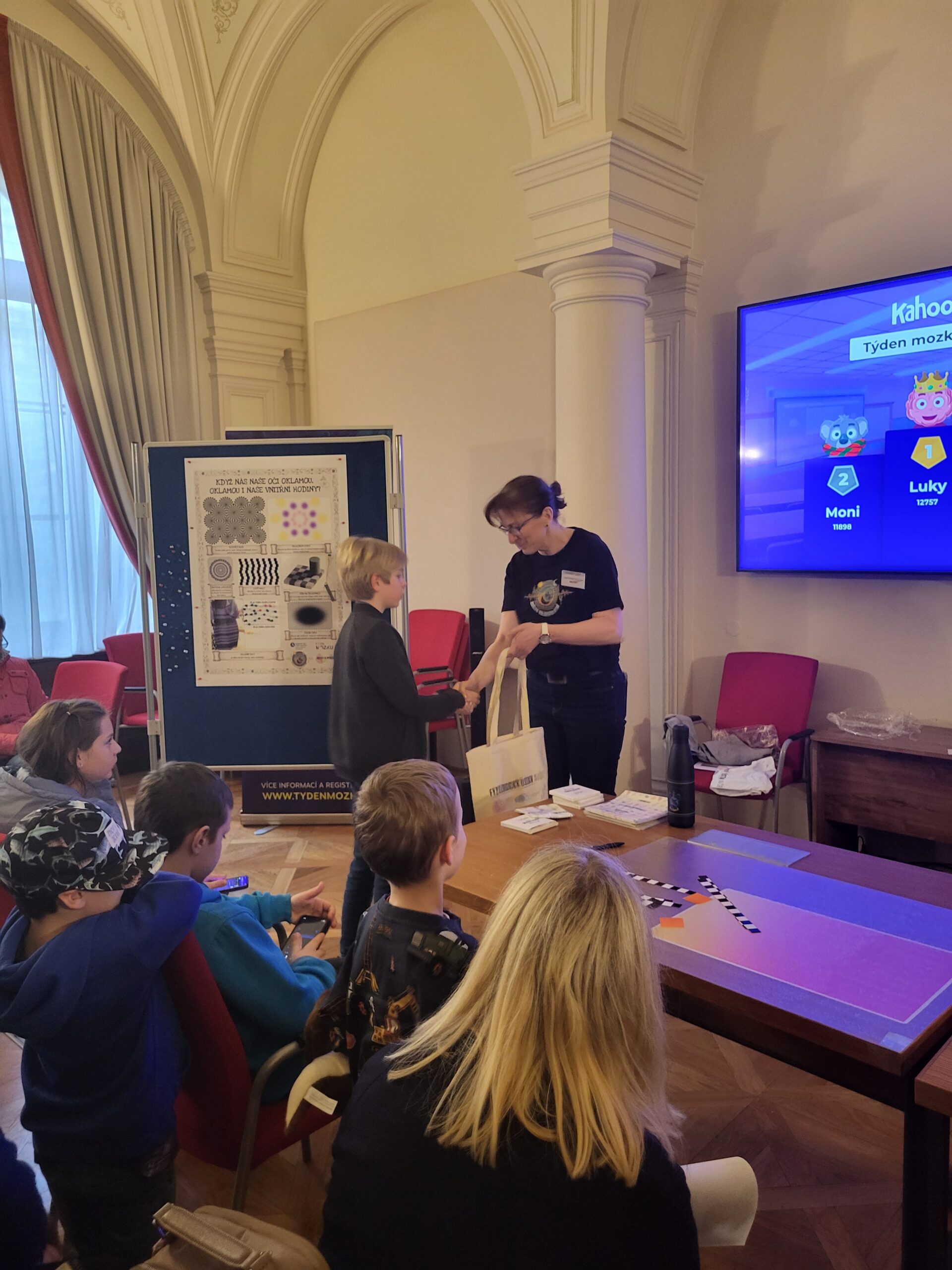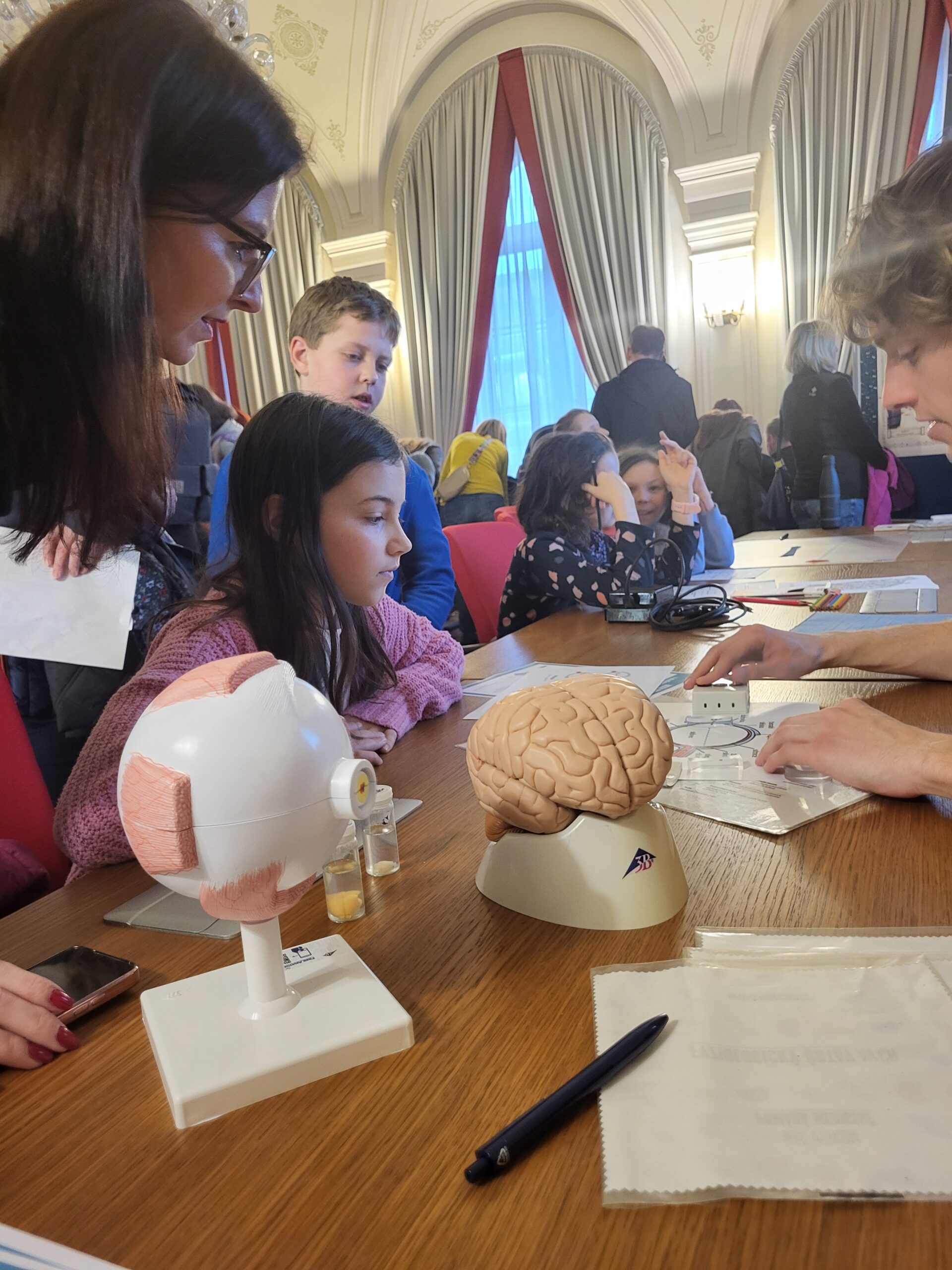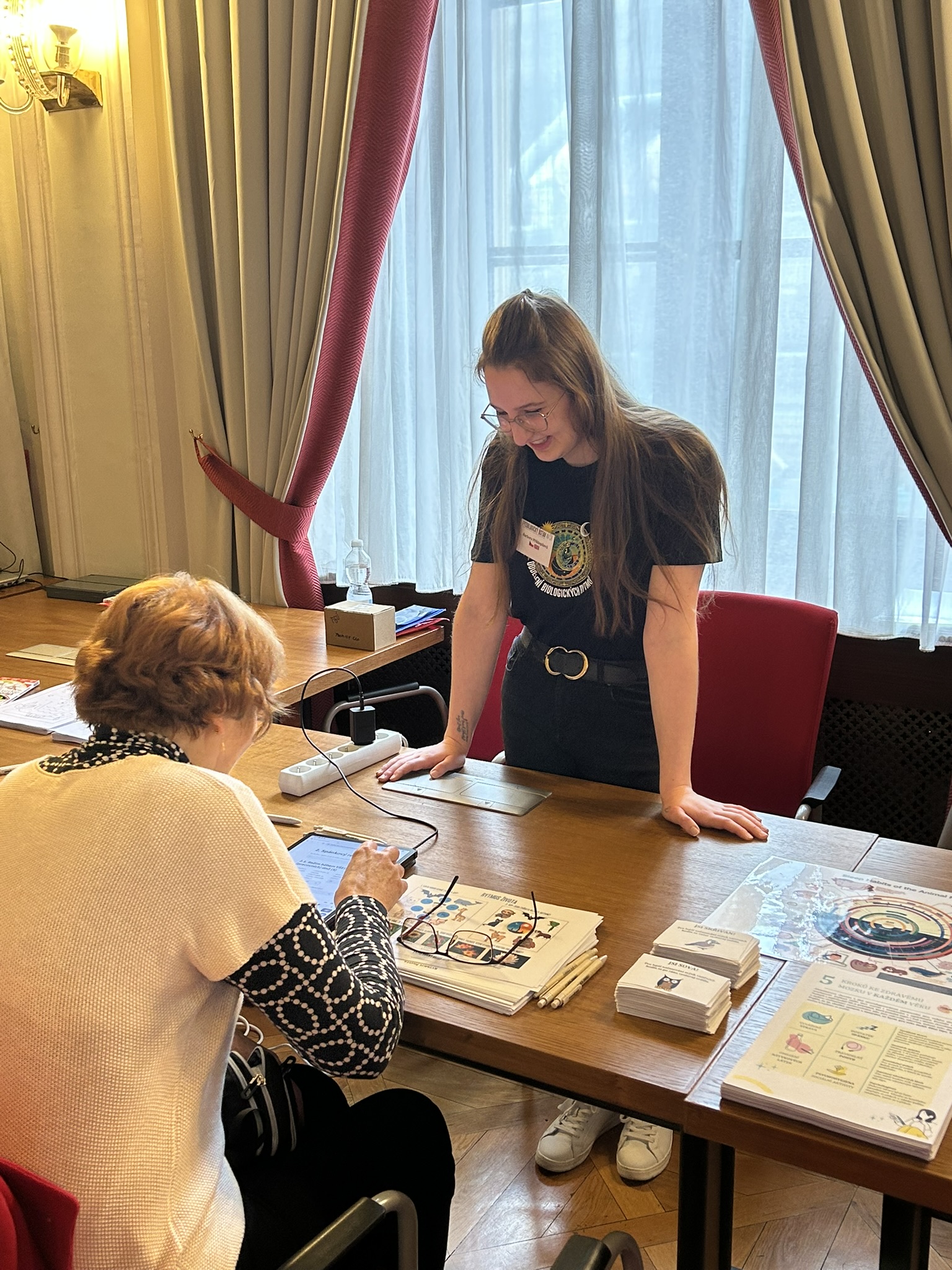
More than two hundred visitors interested in the Brain Awareness Week organized by the Czech Academy of Sciences took part in the interactive presentation of IPHYS titled “The Rhythm of Life in Light and Darkness”. The workshop introduced participants to the world of invisible rhythms that constantly govern our lives and offered an insight into the work of researchers in the field of circadian biology: the fascinating science of biological clocks that synchronize with light yet continue ticking even in complete darkness. Through a unique experience — equipped with night-vision goggles — visitors could explore what challenges scientists studying biological clocks face. They learned about how the human brain and eyes work, enjoyed entertaining optical illusions, and used laser beams to visualize how light signals travel from the eye to the brain. Interactive magnetic clocks revealed, for example, when our muscles are the strongest during the day or when the “sleep” hormone melatonin is produced at its peak. Using a fluorescence microscope, participants discovered that the main clocks in the brain controlling the body’s daily rhythm are the suprachiasmatic nuclei — no larger than a poppy seed. A major success of this year’s event was the new quiz competition Kahoot! – The Sleepless Kangaroo, where participants competed for the title of ChronoGuru. Due to high interest, an extra round was added, and nine lucky winners left with a cuddly kangaroo or an IPHYS T-shirt.
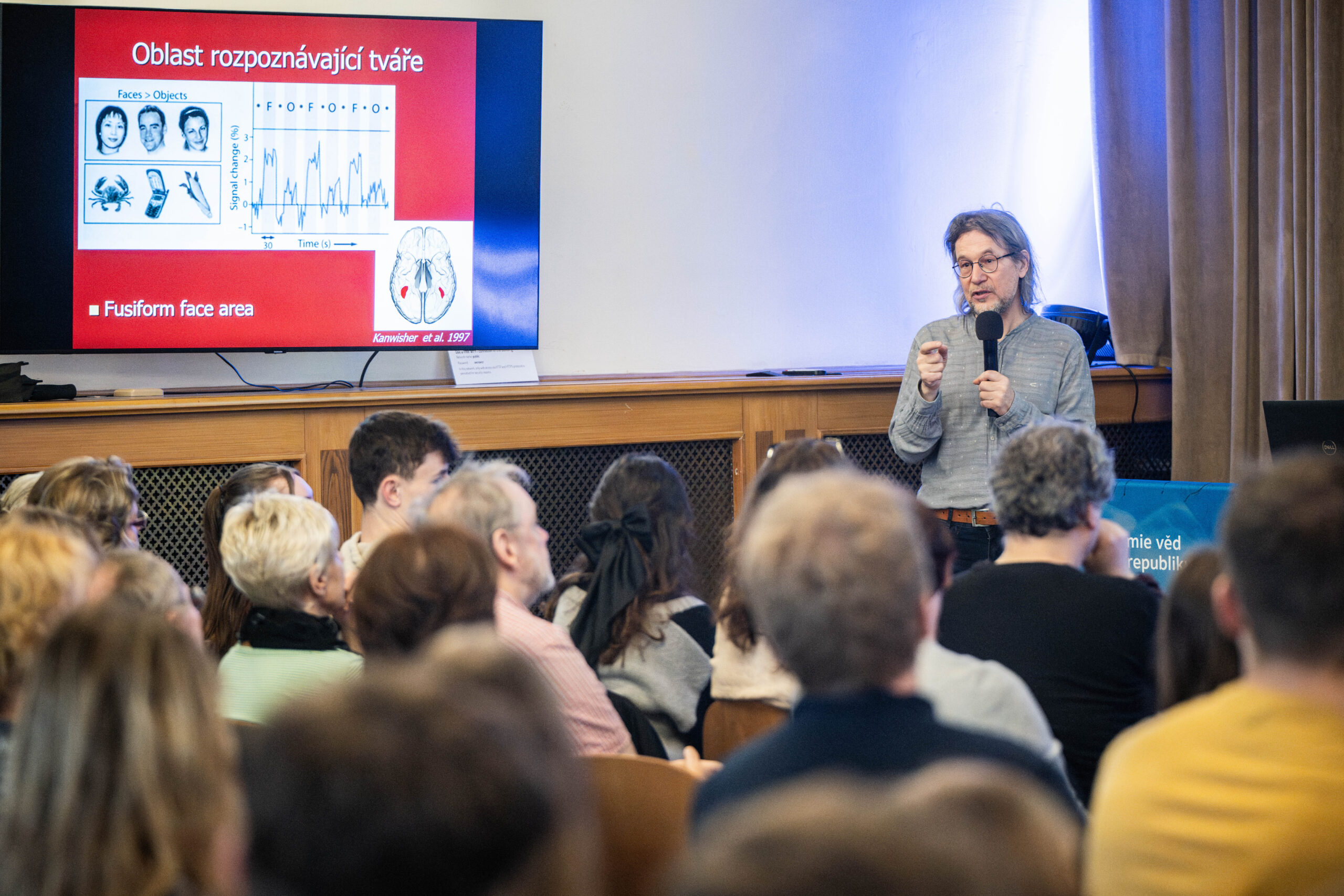
During Brain Awareness Week, also Tereza Dočkal, Barbora Hrčka-Krausová, and Kamil Vlček from IPHYS presented new findings in brain research through their lectures. A recording of one lecture is available online: “How the Brain Processes Visual Stimuli: Two Visual Streams and Their Communication” by Kamil Vlček from the Laboratory of Neurophysiology of Memory.
Our sincere thanks go to the students from the Laboratory of Biological Rhythms of IPHYS for preparing and presenting the activities, to the Division of External Relations of the Czech Academy of Sciences for their excellent logistical support and T-shirt design assistance, and to SVEN Biolabs for lending the Olympus microscope. Special thanks also to Open Science student participants from IPHYS — Barbora Kubíková, Elen Klimešová, and Veronika Himlarová — for enthusiastically joining the presentation.
Photos: SSČ AV ČR, Veronika Himlarová, Olga Zimmermannová, Pedro Cadenato