
Master’s and Bachelor’s Studies
Content of this page
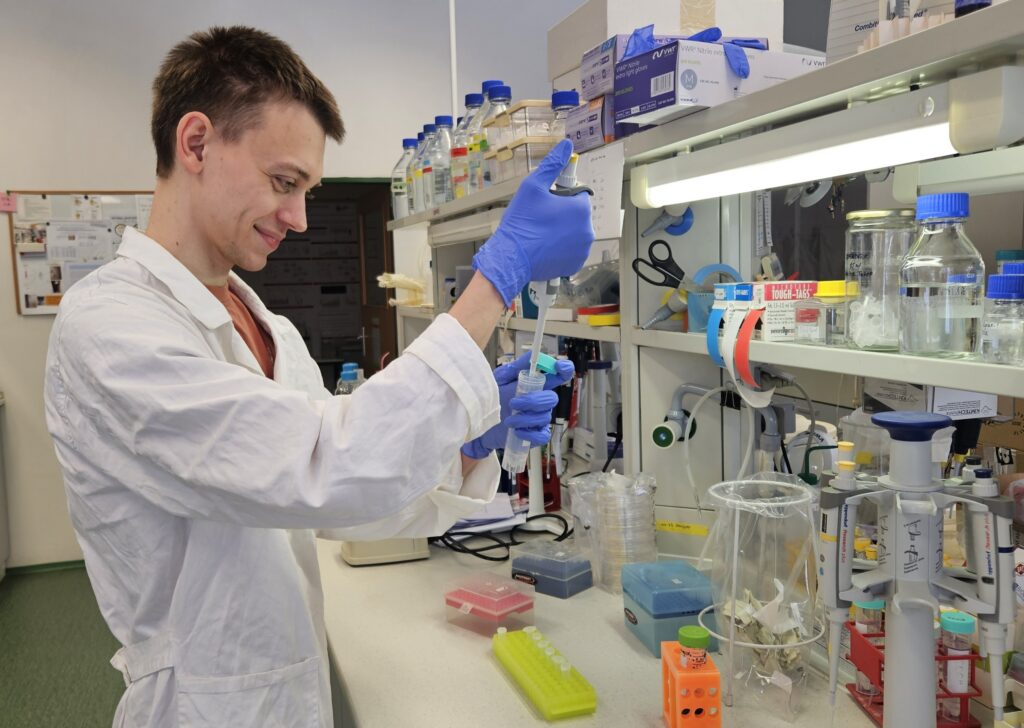
At the Institute of Physiology of the Czech Academy of Sciences, we provide systematic training for students enrolled in bachelor’s, master’s, and doctoral study programs. In this area, we cooperate with a number of Czech universities as well as with renowned foreign institutions. Offers of bachelor’s and master’s thesis topics can be found both on the Institute’s website and in the information systems of the respective faculties, where Institute staff members are registered as supervisors or, where appropriate, as consultants. Scientists of the Institute of Physiology supervise more than 60 undergraduate students. Studies are always conducted in cooperation with the relevant university and must be completed by the defense of a bachelor’s or master’s thesis at the respective faculty.
Special Events for University students
DAY OF PHYSIOLOGY AND MEDICINE FOR UNIVERSITY STUDENTS
Are you studying at a university in the field of natural sciences or medicine? We have prepared a special Open House Day for you, featuring a range of exciting topics for your bachelor’s or master’s thesis, as well as presentations of available PhD research projects. Scientists from the Institute of Physiology CAS will introduce these topics during the morning session (held both on-site and online), and in the afternoon, you will have the opportunity to visit their laboratories. The entire program will be conducted in English. Do not hesitate and register here.
When: February 12, 2026 at 9:00
Where: Institute of Physiology CAS, Vídeňská 1083, Prague 4 – Krč
Programme:
9:00 – 12:30 – presentation of topics Bc., MSc., PhD. (lecture hall of IPHYS + online)
13:00 – 15:00 – visit of laboratories
RECORD OF PRESENTATIONS OF TOPICS
Contact: Olga Zimmermannová, Ph.D. (olga.zimmermannova@fgu.cas.cz)
Available topics MSC./Bc. Thesis
MSc. / Bc. / Farmakologická analýza muskarinových ligandů nových chemotypů
Školitel: Mgr. Alena Janoušková, Ph.D. (alena.janouskova@fgu.cas.cz), Oddělení neurochemie
Poruchy přenosu signálu prostřednictvím muskarinových receptorů jsou často spojovány s řadou patologií včetně neuropatické bolesti, neurologických a psychiatrických poruch, jako např. Alzheimerova choroba nebo schizofrenie a také některých interních onemocnění, jako je astma nebo hyperaktivní močový měchýř. Pro snížení nežádoucích vedlejších účinků je třeba při léčbě cílené na muskarinové receptory selektivně modulovat jejich jednotlivé podtypy. Kvůli vysoké homologii ortosterického vazebného místa mezi jednotlivými podtypy muskarinových receptorů je hledání selektivních ligandů komplikované. Tato diplomová práce se zaměří na farmakologickou analýzu muskarinových ligandů nových chemotypů. Bude obsahovat jak vazebné, tak funkční studie aktivace receptoru. Stanovíme afinitu k jednotlivým podtypům muskarinových receptorů, a zhodnotíme vazebnou a funkční selektivitu nových ligandů. V menším rozsahu lze dílčí výsledky zpracovat jako bakalářskou práci.
MSc. / Bc. / Analýza cílené signalizace muskarinových receptorů pomocí chimérních G-ALPHA podjednotek
Školitel: Mgr. Alena Janoušková, Ph.D. (alena.janouskova@fgu.cas.cz), Oddělení neurochemie
Muskarinové receptory se podílejí na regulaci celé řady fyziologických procesů a jsou důležitým cílem pro vývoj léčiv. Cílem diplomové práce bude prozkoumat metodu využívající chimerních Gα podjednotek G-proteinů pro měření aktivace jednotlivých podtypů muskarinových receptorů různými agonisty (látka aktivující receptor) a zhodnotit její vhodnost pro analýzu cílené signalizace. Cílená signalizace umožňuje ovlivnění specifických signálních drah aktivovaných receptorem, což vede k efektivnější léčbě s menšími vedlejšími účinky. Zaměříme se na inovativní přístup využívající chimérické Gα podjednotky. Tím, že se vymění C-koncový segment Gα podjednotky, lze “přesměrovat” signalizaci jednotlivých G proteinů ke stejnému efektoru, čímž se zjednoduší měření a umožní přímé srovnání účinku agonistů. Cílem magisterské diplomové práce je zjistit, zda tento přístup skutečně zachovává specifické preference agonistů pro jednotlivé signální dráhy. Výsledky této práce mohou přispět k vývoji spolehlivějších a efektivnějších nástrojů pro vývoj léčiv cílících na muskarinové i další receptory spřažené s G-proteiny. Vítáni jsou i zájemci o bakalářskou práci, která se zaměří na přehled nejnovějších metodologických přístupů pro analýzu muskarinové signalizace.
MSc. / Bc. / Nikotinové receptory exprimované ve striatálních interneuronech, jejich lokalizace a funkce
Školitel: MUDr. Mgr. Helena Janíčková, Ph.D. (helena.janickova@fgu.cas.cz), Oddělení neurochemie
Nikotinové receptory pro acetylcholin exprimované různými typy GABAergních interneuronů představují zajímavé a stále relativně málo prozkoumané téma. Jejich studium ztěžuje a zároveň činí zajímavým skutečnost, že tyto receptory jsou značně variabilní z hlediska svého podjednotkového složení a zároveň se jejich funkce odvíjí od konkrétního typu GABAergních interneuronů, ve kterém jsou aktuálně exprimovány. I přes tyto obtíže se dosud podařilo odhalit roli těchto receptorů v patofyziologii vážných psychiatrických onemocnění, například schizofrenie nebo deprese. Ve srovnání s ostatními částmi mozku jsou nikotinové receptory exprimované striatálními GABAergními interneurony velmi málo prozkoumané a jejich přesná lokalizace nebo funkce není známa. Diplomová práce vycházející z tohoto tématu se tak může dle preferencí studenta zaměřit na subcelulární lokalizaci receptoru studovanou pomocí fluorescenčního tagu, na expresi nikotinových podjednotek v jednotlivých typech interneuronů studovanou pomocí FISH nebo na funkční význam těchto receptorů u myší, což může obnášet stereotaktické operace virového vektoru a behaviorální testování myšího modelu. Vítáni jsou i zájemci o bakalářskou práci, která se zaměří na přehled relevantní literatury, například expresi a funkci nikotinových receptorů exprimovaných inhibičními interneurony v různých částech mozku, na jejich význam v patofyziologii některých onemocnění nebo jejich roli v řízení synaptické plasticity.
MSc. / Bc. / Analýza vzniku ketolátek během lipogeneze pomocí LC-MS
Školitel: RNDr. Ondřej Kuda, Ph.D. (ondrej.kuda@fgu.cas.cz), Oddělení metabolismu bioaktivních lipidů
Ketogeneze je biochemický proces, při kterém organismy produkují ketolátky (acetacetát, beta-hydroxybutyrát a aceton) z mastných kyselin a ketogenních aminokyselin. Ketolátky jsou zdrojem energie za podmínek, jako je hladovění anebo kalorická restrikce. Cílem práce je použít metabolické mapování (stabilní isotopy uhlíku) ke sledování vzniku ketolátek a jejich distribuci v modelovém organismu myši s pomocí LC-MS. Součástí projektu je práce se zvířaty, práce v biochemické laboratoři a použití omics technik. Projekt je vhodný pro studenty biologie nebo chemie. Práce bude realizována na FGÚ AV ČR s možností studentského úvazku.
MSc. / Bc. / Mapování metabolomu na metabolické dráhy
Školitel: RNDr. Ondřej Kuda, Ph.D. (ondrej.kuda@fgu.cas.cz), Oddělení metabolismu bioaktivních lipidů
Metabolomika poskytuje informace o koncentracích metabolitů a je funkčně nejblíže biologickým projevům genomu a proteomu. Ač na sebe jednotlivé omiky logicky navazují, z pohledu integrace dat je každá tato vědní oblast na jiné úrovni poznání. Cílem práce je vyvinout specifický přístup, kterým budou zpracovávána metabolomická data (koncentrace metabolitů) do formátu metabolických drah (Wikipathways, SMPDB, atd.). Součástí práce je pochopení konceptu LC-MS metabolomiky, anotování metabolitů dle databází, práce s identifikátory metabolitů na různých úrovních identifikace (sumární vzorec, přesná struktura,…), programování skriptů v Pythonu a R a vizualizace metabolických drah z databází i dle vlastních návrhů. Předpokladem úspěchu je znalost programovacích jazyků pro práci s daty (Python nebo R) a základy biochemie. Projekt je vhodný pro technicky orientované studenty chemie či biologie. Práce bude realizována na FGÚ AV ČR s možností studentského úvazku
MSc. / Seřizování molekulárních cirkadiánních hodin
Školitel: Doc. PharmDr. Alena Sumová, DSc. (alena.sumova@fgu.cas.cz), Oddělení biologické rytmy
Buněčné cirkadiánní hodiny generují rytmický signál s periodou přibližně 24 h. K solárnímu dni jsou seřizovány různými rytmickými signály, včetně teplotního cyklu. Na in vitro modelech různých buněčných linií a organotypických tkáňových explantátů z transgenních myší bude testována schopnost synchronizace molekulárních cirkadiánních hodin různými mechanismy, včetně teplotními cykly o různých parametrech za účelem zjištění rozsahu této synchronizace. Výsledky pomohou odhalit mechanismy, jakými jsou hodiny seřizovány pomocí pravidelných změn ve vnějším prostředí.
MSc. / Vliv narušení denního režimu na hodiny v mozku
Školitel: Doc. PharmDr. Alena Sumová, DSc. (alena.sumova@fgu.cas.cz), Oddělení biologické rytmy
Cirkadiánní hodiny v mozku řídí řadu procesů tak, aby probíhaly optimálně vzhledem k denní době. Pro správně seřízení potřebují informace o světelných podmínkách ve vnějším prostředí, zprostředkované pomocí centrálních hodin, a informace o aktuálním stavu bdělosti či spánku. Moderní životní styl narušuje soulad mezi naší aktivní a světlou částí dne. Dopad takových podmínek na hodiny v různých částech mozku není dosud prozkoumán. Práce bude prováděna s využitím animálních modelů, s využitím jak behaviorálních testů, tak molekulárně biologických metod pro sledování genová exprese v organotypických explantech mozkových struktur v reálném čase in vitro.
MSc. / Nové možnosti farmakologického ovlivnění molekulárních cirkadiánních hodin
Školitel: Mgr. Martin Sládek, Ph.D. (martin.sladek@fgu.cas.cz), Oddělení biologické rytmy
Fytohormony cytokininy (CK) mají široké spektrum farmakologických aktivit zahrnujících protizánětlivé, neuroprotektivní a stárnutí zpomalující účinky. Zjistili jsme, že také modulují cirkadiánní rytmy (CR) v savčích buňkách. Navrhujeme jejich nové využití jako chronoterapeutik využitelných pro léčbu poruch CR způsobených genetickými (dědičné poruchy spánkové fáze, např. FASPS) nebo vnějšími (pásmová nemoc, sociální jet lag, práce na směny) faktory. Projekt zahrnuje identifikaci kandidátních látek screenováním knihovny CK na reportérových buněčných liniích modelujících jak přirozený cirkadiánní systém, tak FASPS mutaci. Dále se soustředí na zkoumání účinků vybraných CK na cirkadiánní systém pomocí rozmanitých metod in vitro a in vivo, které zahrnují hypotalamické explantáty z mPer2Luc myší, analýzu pohybové aktivity (vnitřní perioda, jet lag model) a RT qPCR.
Bc. / Interakce mezi cirkadiánními hodinami a glukokortikoidy
Školitel: Doc. PharmDr. Alena Sumová, DSc. (alena.sumova@fgu.cas.cz), Oddělení biologické rytmy
Bc. / Vliv vnějšího prostředí na vývoj cirkadiánních hodin během ontogeneze
Školitel: Doc. PharmDr. Alena Sumová, DSc. (alena.sumova@fgu.cas.cz), Oddělení biologické rytmy
Bc. / Úloha posttranslačních modifikací v molekulárním mechanismu cirkadiánních hodin
Školitel: Doc. PharmDr. Alena Sumová, DSc. (alena.sumova@fgu.cas.cz), Oddělení biologické rytmy
Bc. / Změny cirkadiánního systému ve stáří
Školitel: Doc. PharmDr. Alena Sumová, DSc. (alena.sumova@fgu.cas.cz), Oddělení biologické rytmy
Bc. / Časová regulace kognitivních funkcí a její mechanismy
Školitel: Doc. PharmDr. Alena Sumová, DSc. (alena.sumova@fgu.cas.cz), Oddělení biologické rytmy
Mgr. / Adipose-derived extracellular vesicles and their effect on muscle cells: Role of sex and genetic differences
Supervisor: RNDr. Petr Zouhar, Ph.D. (petr.zouhar@fgu.cas.cz), Laboratory of Adipose Tissue Biology
Adipose tissue (AT)-derived extracellular vesicles (EcV) were suggested to target other organs and play a role in situations such as heart failure. We aim to investigate the effect of EcV on gene expression in myotubular cell culture. The EcV will be isolated from plasma of mice (total EcV) and from medium conditioned with murine AT explants (AT-derived EcV). Effect of EcV from mice of both sexes, on various diets, and of various inbred strains differing in their propensity to obesity will be compared.
Bc. / Bariatric surgery: Mechanism of its beneficial effects on adipose tissue and factors determining its efficiency
Supervisor: RNDr. Petr Zouhar, Ph.D. (petr.zouhar@fgu.cas.cz), Laboratory of Adipose Tissue Biology
Despite recent progress in developing anti-obesity pharmacotherapies, modern approaches of bariatric surgery remain the most efficient long-term weight-reducing strategy. Bariatric surgery typically results in changes in adipose tissue volume and metabolic function. However, its efficacy differs considerably among the patients. The thesis will address hypothesis that the level of metabolic flexibility of adipose tissue before the surgery may be a reasonably good predictor of the outcome of the surgery.
MSc. / Thermogenic Muscle: Molecular Keys to Obesity Resistance
Supervisor: Mgr. Petra Janovská, Ph.D. (petra.janovska@fgu.cas.cz), Laboratory of Adipose Tissue Biology
Non-shivering thermogenesis (NST) in skeletal muscle is a potential target for the prevention and treatment of obesity. However, the molecular mechanism of muscle NST is poorly characterized. The aim of this thesis is to improve our knowledge on the mechanisms underlying muscle NST, and its control based on comparative study of cold-induced thermogenesis in strains of mice differing in the susceptibility to obesity. Gene and protein expression analysis will be performed after acclimatization of animals to thermoneutral temperature and cold, with the aim of identifying key factors of energy metabolism associated with obesity resistance.
Bc. / Metabolism in preterm and term newborns
Supervisor: Mgr. Petra Janovská, Ph.D. (petra.janovska@fgu.cas.cz), Laboratory of Adipose Tissue Biology
Approximately 10% of the newborns are born prematurely. The change in environment after birth represents a physiological stimulus for the adaptive response of the entire organism, including the transition from energy metabolism based on glycolysis in the prenatal period to that based on catabolism of lipids from breast milk. The aim of this bachelor’s thesis is to describe the metabolism of the newborns, including premature babies. The thesis will focus on clinical studies and studies conducted on animal models.
Bc. / Thermoneutrality in laboratory animal husbandry – an important but poorly defined variable in practice
Supervisor: Mgr. Kristina Bardová, Ph.D. (kristina.bardova@fgu.cas.cz), Laboratory of Adipose Tissue Biology
In the context of biomedical research, it is important to minimise the discrepancy between the breeding and experimentation of laboratory animals and the situation in humans. It is therefore important to maintain a similar temperature comfort. The definition of the so-called thermoneutral zone for laboratory animals is not entirely clear and is not well defined for different ages, sexes, genetic backgrounds, and numbers of animals in a cage. The present study will entail the research of data on this topic, in addition to practical measurements of thermoneutral zone employing indirect calorimetry.
ng.
MSc. / Bc. / The role of HIF-1alpha and mitochondria in heart failure
Supervisor: RNDr. Petra Alánová, Ph.D. (petra.alanova@fgu.cas.cz), Laboratory of Developmental Cardiology
Heart failure after acute myocardial infarction is a major global health challenge. This project focuses on uncovering protective mechanisms that improve heart tolerance to injury and limit the onset and progression of heart failure with reduced ejection fraction (HFrEF).
MSc. / Bc. / Study and treatment of fibrotic changes in Dupuytren’s disease
Supervisor: RNDr. Adam Eckhardt, Ph.D. (adam.eckhardt@fgu.cas.cz), Laboratory of Translational Metabolism
Dupuytren’s disease is a common fibrotic disease affecting the connective tissue of the hands, leading to gradual and permanent bending of the fingers. Currently, there is no prevention or causal treatment. We are creating a unique 3D in vitro model of this disease and testing promising antifibrotic drugs at the cellular/tissue level. At the same time, we are trying to translate our results into practice and are counting on the implementation of an academic clinical trial at the Bulovka Hospital.
MSc. / Bc. / The role of mTOR signaling in cardiometabolic diseases
Supervisor: RNDr. Ivana Vaněčková, CSc., DSc. (ivana.vaneckova@fgu.cas.cz), Laboratory of Experimental Hypertension
Cardiometabolic disorders, including hypertension, type 2 diabetes, diabetic nephropathy and obesity, adversely affect the heart, liver and kidneys. The mTOR (mammalian target of rapamycin) pathway regulates cell metabolism, growth and survival and its dysregulation is associated with many diseases. Pharmacological modulation of mTOR complexes by their inhibitors or antihypertensives will be used to alleviate hypertension and metabolic disorders, highlighting their therapeutic potential.
MSc. / Bc. / Sexual differences in protective effects of empagliflozin - the role of mTOR
Supervisor: RNDr. Ivana Vaněčková, CSc., DSc. (ivana.vaneckova@fgu.cas.cz), Laboratory of Experimental Hypertension
Gliflozins (sodium-glucose cotransporter type 2 inhibitors) are antidiabetic drugs that intervene on various cardio-metabo-renal mechanisms via metabolic, anti-inflammatory, antifibrotic, and antioxidant effects. The mTOR (mammalian target of rapamycin) pathway regulates cell metabolism, growth and survival. We will investigate how gliflozins reprogram the cardio-metabo-renal axis via mTOR signaling pathway and whether there are sex differences in these effects.
MSc. / Bc. / The role of hypoxia-inducible factor-1alpha on the progression of heart failure with preserved ejection fraction
Supervisor: RNDr. Jan Neckář, Ph.D. (jan.neckar@fgu.cas.cz), Laboratory of Experimental Hypertension
Heart failure with preserved ejection fraction (HFpEF) is a multiorgan disease affecting the heart, blood vessels, and kidneys. We plan to investigate the role of the transcription factor hypoxia-inducible factor-1α (HIF-1α) in the progression of HFpEF, metabolic changes, and end-organ damage in transgenic rat strains with partial HIF-1α deficiency. The results of the project may contribute to the development of new therapeutic strategies for the treatment of HFpEF.
MSc. / Bc. / Molecular mechanisms of cellular senescence-associated cardiovascular and renal diseases in hypertensive rats
Supervisor: RNDr. Jan Neckář, Ph.D. (jan.neckar@fgu.cas.cz), Laboratory of Experimental Hypertension
The accumulation of senescent cells is a fundamental process of aging. There is growing evidence that the elimination of senescent cells disrupts the senescence-associated secretory phenotype and thereby improves cardiac and renal function. As part of our ongoing research program, we will study the effect of cellular senescence on cardiac function, vascular and autonomic regulation, and end-organ damage in various unique transgenic rat strains with cardiovascular and renal damage.
MSc. / Characterizing the role of sex chromosomes in mitochondrial energy metabolism
Supervisor: Mgr. Lukáš Chmátal, Ph.D. (lukas.chmatal@fgu.cas.cz), Laboratory of Cardiometabolism
Heart disease is the leading cause of death worldwide and shows pronounced sex differences in incidence, symptoms, and treatment outcomes. Our lab investigates the molecular mechanisms underlying these differences by focusing on biological sex and its impact on cardiac metabolism in health and disease. We study these processes across multiple biological scales, from the whole organism to cardiomyocytes and their mitochondria, using cutting-edge omics, molecular, and computational approaches.
MSc. / Bc. / Neuroinflammation and pain
Supervisor: MUDr. Jiří Paleček, CSc. (jiri.palecek@fgu.cas.cz), Laboratory of Pain Research
The main research interest of our laboratory is to study mechanisms of pain and to explore new possibilities of pain treatment, especially in chronic states. Our experimental work is concentrated on the modulation of nociceptive information at the spinal cord level that is the first relay center between the periphery and higher brain areas. Our goal is to study these modulatory mechanisms in order to improve therapy for pain conditions such as neuropathic and cancer related pain. This project will be focused on the role of neuroinflammation in modulation of synaptic transmission and chronic pain development. Lately we are interested in the role of TRPV1 receptors, cannabinoids, endogenous lipids, opioids and inflammatory cytokines in this process. In our research we use mainly electrophysiological, optogenetic, OMICS analysis, functional imaging, immunohistochemical, molecular and behavioral methods. In collaboration with clinics we aim to study human pathology in pain patients. Our research is supported by several ongoing grant projects.
MSc. / Bc. / The role of Dorsal Root Ganglion (DRG) neurons in neuropathic pain
Supervisor: MUDr. Jiří Paleček, CSc. (jiri.palecek@fgu.cas.cz), Laboratory of Pain Research
The main research interest of our laboratory is to study mechanisms of pain and to explore new possibilities of pain treatment, especially in chronic states. Our experimental work is concentrated on the modulation of nociceptive information at the spinal cord level that is the first relay center between the periphery and higher brain areas. Our goal is to study these modulatory mechanisms in order to improve therapy for pain conditions such as neuropathic and cancer related pain. This project will be focused on the role of neuroinflammation in modulation of synaptic transmission and chronic pain development. Lately we are interested in the role of TRPV1 receptors, cannabinoids, endogenous lipids, opioids and inflammatory cytokines in this process. In our research we use mainly electrophysiological, optogenetic, OMICS analysis, functional imaging, immunohistochemical, molecular and behavioral methods. In collaboration with clinics we aim to study human pathology in pain patients. Our research is supported by several ongoing grant projects.
MSc. / Bc. / Mechanisms of neuropathic pain
Supervisor: Mgr. Diana Špicarová, Ph.D. (diana.spicarova@fgu.cas.cz), Laboratory of Pain Research
The main research interest of our laboratory is to study mechanisms of pain and to explore new possibilities of pain treatment, especially in chronic states. Our experimental work is concentrated on the modulation of nociceptive information at the spinal cord level that is the first relay center between the periphery and higher brain areas. Our goal is to study these modulatory mechanisms in order to improve therapy for pain conditions such as neuropathic and cancer related pain. This project will be focused on the role of neuroinflammation in modulation of synaptic transmission and chronic pain development. Lately we are interested in the role of TRPV1 receptors, cannabinoids, endogenous lipids, opioids and inflammatory cytokines in this process. In our research we use mainly electrophysiological, optogenetic, OMICS analysis, functional imaging, immunohistochemical, molecular and behavioral methods. In collaboration with clinics we aim to study human pathology in pain patients. Our research is supported by several ongoing grant projects.
MSc. / Bc. / Interaction of oral cavity cells with dental biomaterials patterned with silver nanoparticle-containing microdomains
Supervisor: Mgr. Antonín Sedlář, Ph.D. (antonin.sedlar@fgu.cas.cz), Laboratory of Biomaterials and Tissue Engeneering
Bacterial infections often occur at the interface of dental implants and the connective tissue of the gums, delaying healing and implant integration. Micropatterning with silver nanoparticles may reduce infections while maintaining biocompatibility with the tissues of the oral cavity.
This work will assess the biocompatibility of materials for dental implants with silver nanoparticles on oral cell cultures by evaluating growth, viability, and DNA damage using various cell biology methods.
MSc. / Bc. / The role of galectin-3 in extracellular vesicle-mediated intercellular communication in pulmonary hypertension
Supervisor: Mgr. Antonín Sedlář, Ph.D. (antonin.sedlar@fgu.cas.cz), Laboratory of Biomaterials and Tissue Engeneering
This project explores how galectin-3 influences communication between endothelial and smooth muscle cells through extracellular vesicles in pulmonary hypertension. The student will analyze how galectin-3 affects the properties of extracellular vesicles and how this interaction contributes to abnormal vascular remodeling and disease progression using various cell and molecular biology methods.
MSc. / Rare disease-associated variants in NMDAR genes: impact on synaptic transmission and plasticity
Supervisor: Tereza Smejkalová, Ph.D. (tereza.smejkalova@fgu.cas.cz), Laboratory of Cellular Neurophysiology
NMDA receptors (NMDARs) are synaptic glutamate receptors with a key role in synaptic plasticity. Changes in GRIN genes encoding NMDAR subunits are associated with neurodevelopmental disorders. The student will use patch-clamp electrophysiology and live-cell Ca2+ imaging to study NMDAR function, synaptic transmission and plasticity, and circuit properties in neuronal preparations expressing patient GRIN gene variants. The observed changes will be targeted with personalized pharmacological modulation.
MSc. / Uncovering sex-related differences in the role of Nox4-ROS signaling in bone homeostasis
Supervisor: Mgr. Michaela Tencerová, Ph.D. (michaela.tencerova@fgu.cas.cz), Laboratory of Molecular Physiology of Bone
NADPH oxidase 4 (Nox4) generates ROS that regulate key signaling pathways, yet its role in bone marrow stromal cells and bone homeostasis, including sexual dimorphism, remains unclear.This project will explore the functions of Nox4-ROS production using NOX4 KO mouse model, integrating endocrinology, metabolism, cell signaling with advanced 3D imaging, genomics, biomechanics, and cell culture approaches.
Teaching and lectures
Scientists and researchers of IPHYS are involved in undergraduate teaching primarily at Charles University, particularly at the Faculty of Science and the university’s medical faculties, and individually also at other Czech and foreign universities. They lecture mainly in the fields of animal physiology, biology, and psychology. In addition, they participate in teaching a range of specialized disciplines in biology, biochemistry, and biomedicine, including selected international study programs.
Lectures on Faculty of Science, Charles University in Prague
Behavioral pharmacology
(Lab. of Neurophysiology of Memory – Kubešová, Valeš)
Neurobiology of behavior and memory
(Lab. of Neurophysiology of Memory – Stuchlík)
Bionics
(Lab. of Neurophysiology of Memory – Kubík, Moravec)
Advanced practical exercises in Biochemistry
(Lab. of Membrane Transport)
(Lab. of Structural Biology of Signaling Proteins – Tomáš Obšil, Olívia Petrvalská, Katarína Pšenáková)
(Lab. of Structural Biology of Signaling Proteins – Tomáš Obšil)
(Lab. of Structural Biology of Signaling Proteins – Tomáš Obšil)
Development and regeneration of muscles, muscle fiber types and the possibility of their transformation
(Lab. of Pain Research)
(Lab. of Bioenergetics – Marek Vrbacký)
(Lab. of Bioenergetics – Zdeněk Drahota, Tomáš Mráček, Petr Pecina)
Lectures on 2nd Faculty of Medicine, Charles university in Prague
Basic mechanisms of pain
(Lab. of Pain Research – MUDr. Jiří Paleček CSc.)
Training courses of the Center for Biomedical Research
Basics of receptor neurophysiology
(Lab. of Pain Research)
The function and structure of cell membranes
(Lab. of Membrane transport)
